Hi Isobel
Carle kindly provided me with your details. When I was in London I seem to remember submitting an experimental piece (based entirely on emails) to Blake Friedmann. That was called The Sun Is Shining.
I've included something else here, Half Full Moon, which is a spiritual/existential piece that takes the central character, Andy Snook, on an exploration into the power of 'the now' and into the 'desert of the real. It's no coincidence that it's set in a desert (a Thirstland* actually), and one of its main characters is a deitish (is there such a word? if not then 'deity-like') creature called Alcala. It is through her that I communicate a sense of God, not as external to life and history, but part of man and his environment.
I've enclosed a one page synopsis and a lightly illustrated first three chapters.
Here's some background about me:
I've only recently concentrated on writing for a living, and have had some early success with a number of magazine publications, including Heartland (7 published articles including a feature article), Shape and go! magazine.
A website for citizen reporters (www.reporter.co.za) has also selected me to represent them at a New Media conference at Rhodes University in mid-September.
I have a another very short novel (Heaven Can Wait, which is Lovely Bonesy: about a dead mother who visits her son as a ghost) ready for publication, and two others in the works: The Great Castle, which predicts the future of the world without oil, and a gritty, Douglas Couplandy memoir about modern realities, called Pop Goes the Weasel.
Meanwhile I hope you'll read Half Full Moon, and look forward to your impressions
Kind regards
Nick
*A desert is a scientific term for an area that gets a certain minum amount of rainful. The Kalahari Thirstland is not a true desert since it gets that extra sprinkling of rain.
Half Full Moon Synopsis
Andy Snook is a helicopter pilot who finds himself stranded in the Kalahari desert of Botswana, because, apparently, a grain of sand has broken his machine. The first chapter is narrated in the third person. This narrative technique is used to demonstrate how the protagonist leaves his indirect experience of life (throughout secondhand experiences and his experience of the artifices of the modern world) and enters ‘The Now’, or ‘the desert of the real’. This occurs at the end of the difficult transformations built into the first chapter.
It occurs to him, that he is not a third person, but a first person. He is I.
After only a short time in the desert, Andy Snook (an ostensibly wealthy person) encounters his opposite, naked, burnt and wrinkled by the sun, and evidently poor. This Bushman (Rraditshipi) guides him to the safety of an ‘island’ which is basically a prehistoric site of large boulders and Baobabs rising over the sea of the white, moonlike soil that is the Makgadikgadi Pan.. There he encounters other ‘stranded’ survivors – who represent the (shipwrecked) human condition in its various guises – masculine, sensitive, aggressive, ignorant and confused. All these personas encounter Alcala, an otherworldly, overtly feminine presence, a figure with oily hair and faintly Oriental features. She acts as the conscience of this group (and thus the world) and who, though seeking rescue, are made aware of the plight of ‘these people’, the stick like figures who have materialized out of the desert and rescued them.
It is while on walkabout in the desert that the group becomes aware of what the Bushman is up against. The local authorities arrive in a 4x4 and, ignoring the group, immediately seize the Bushman, accusing him of the attack/murder of Snook. When the Bushman responds, he is shot on the spot and falls dead, in the dust. This confirms Alcala’s appeals against man’s inhumanity to man in the Kalahari Thirstland.
As a result the derelict craft (Snook’s helicopter) is resurrected, and two missions are undertaken. The first is to infiltrate the inner sanctum of the mine, at Orapa, and procure incriminating documents which can then be used into a PR campaign against Debswana (the primary persecutors of the Bushman). This is what Alcala calls ‘acting against the Empire’. The second mission is more direct, and concludes the novel. It starts where all individuals finally come together to contribute in their various capacities towards the rescue of what remains of the dwindling humanity (of the Bushman) scattered in the desert. This is suggested through the bambi (an orange balloon like structure capable of holding many tons of water, and used primarily in firefighting) which is raised in the final chapter, and floats under the giant helicopter into the heat of the desert, in search of surviving Bushman.*
It’s a suggestive, existentialist story where not much happens externally, but much transformation takes place inwardly.
*Because the Botswana government has tried to evict the Bushman, the few sources of water in the desert have been covered in concrete or rendered unusable to discourage the resettlement of desperate vagrants.
Tuesday, August 15, 2006


The best way to respond to 911 would be:
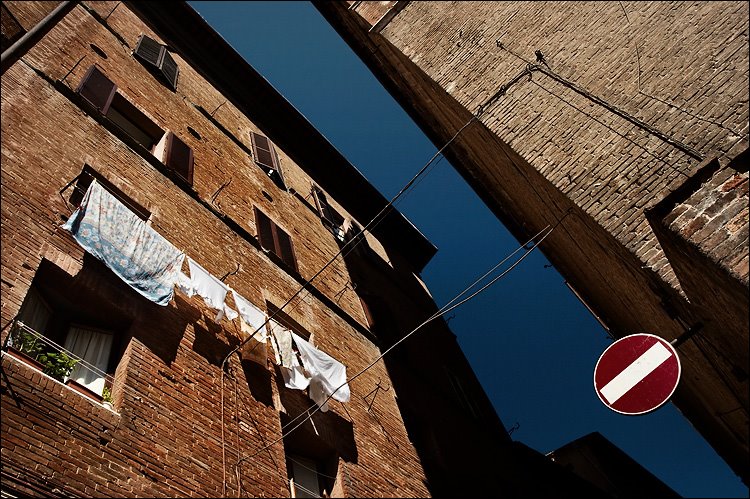
not replying to the attacks
Letter to Jim Kunstler:
Hi Jim
I am one of the nuts who thought the best response from the USA (to 9/11) would be no response, especially not a military response and especially especially not the invasion of one or more countries in search of a fraction of those countries hiding terrorists.
How do you incur the wrath of terrorism: start or engage in a war that fights fire with more fire. If that's too vague, what I mean is, Bush's responses to 911 have done nothing to promote US interests. At best they could have sent in small elite 'gangs' to root out terrorists, thereby acting as small scale terror against smal scale terror. What we now have is civilian slaughter as the background to an asymmetrical battle where the US loses more than it ever lost (in 9/11), both in terms of money, prestige and human life. This is, of course, if we take Bush's response to 911 to go into Iraq (in search of terrorists) at face value. Since I don't believe we can, all bets are off.
In the real world though, and given human nature, I still cannot see a better response to 911 (where all perpetrators were killed in the act) than to find better ways of getting along with the people who feel they hate us.
Kunstler: Peace Means War
August 14, 2006
The great weakness of the peace movement is its utter inability to think strategically. The deep wish for peace, for an absence of hostilities, eclipses the fact that hostilities abide. Thus, Israel becomes the new villain in the story for carrying the West's water in the struggle against the abiding hostility of Jihad.
The peace movement does not believe in Jihad. By Jihad, I mean a trans-national ideologically-driven campaign to murder "infidel" non-Muslims and to extend Islam's domain geographically as far as possible. An important feature of the campaign is the elimination of Israel, an irritating piece of Western "infidel" grit lodged in Islam's throat.
Ideologically, Jihad despises Israel because Hebrew culture represents the basis of notions central to western civilization -- that there should be rules regarding decent human conduct beyond whatever raw power itself may assert; that we are responsible for our conduct; and that someone above is watching our conduct and weighing our responsibility.
Jihad is not interested in decent conduct per se. That's why many Jihadists endorse conduct like the indiscriminate murder of non-muslims per se, videotaped beheadings of non-combatants by the cruelest methods imaginable, the suicide / homicide bombings of discos and cafes where no military assets are present, and the downing of civilian airplanes with bombs. These things are merely expressions of raw power, which is the antithesis of civilized conduct.
The leaders of Lebanon are not interested in responsibility for the conduct of their policies and the things that happen within their territory. They permit a rogue Jihadist army to operate freely on Lebanese soil, to amass rockets and other ordnance, to fire them at Israel at the behest of the Jihadist's sponsor, Iran, and to use Lebanese civilians as shields and sandbags to defend those military assets -- and then they complain about the consequences when those military assets are attacked.
The peace movement doesn't take Jihad at its word. Jihad is not interested in peace. It is a war movement.
The United States had to take Jihad seriously when Jihad hijacked airplanes and knocked down two skyscrapers and one side of the Pentagon. (And, by the way, I regard theories that Vice-president Dick Cheney "masterminded" the 9/11 attacks to be paranoid nonsense beneath discussion.) The US has engaged Jihad, but rather obliquely. Our "war" in Iraq stopped being a war in 2003. It has been a clumsy and unsuccessful policing job since then against two Islamic sects fighting over the oil production assets of a collapsed artificially-constructed 20th century state that was once known as "Iraq."
The original strategic impetus of the Iraq war was to kick an Islamic state's ass as a reply to the 9/11 attack. Since the 9/11attack was not carried out by a sovereign nation, the US reply had to be made to a target that represented the next best thing, and by default Sadaam Hussein was selected because he and his state had caused a lot of trouble in the recent past. Strategically it was deemed that removing him from power would have additional benefits for stability in the region.
It was a tragic miscalculation. Life is sometimes tragic and nations make tragic errors. The US effort since the initial invasion was intended to prevent that state from collapsing but turned out to have only stimulated and accelerated the process. The Shia and the Sunni antagonists were not really interested in the one thing that the US had to offer: institutions styled on Western infrastructures for justice and law. The two antagonists were only interested in the assertion of raw power.
One thing the peace movement never considers: what if there had been no US reply to the injury and insult of 9/11? What if we had just sucked it up? I can't prove this, but I believe that such behavior would have only emboldened Jihad to seek more targets of opportunity, and probably enticed Mr. Hussein into the kind mischief and grab for leadership of trans-national Jihad that Mr. Ahmadinejad is now showing. Critics will hasten to point out that Hussein was a secular dictator. I would hasten to remind them that in his final years in power he had taken to such stunts of religiosity as building mega-mosques, and transcribing the Koran using his own blood for ink.
(The 9/11 Dick Cheney fantasy is interesting insofar as it provides the nuttier elements of the peace movement with a justification for not replying to the attacks -- we did it to ourselves.)
What is the meta-strategic objective for the US in the Middle East? It is to preserve the orderly flow of oil resources. Is that a good thing? I happen to be a critic of the way America uses its oil resources, that is in the operation and further elaboration of a living arrangement based on extreme car dependency. I am not convinced that a "cold turkey" sudden cut-off of our oil supplies would be a good thing for our society. However, I have a fatalistic view that sooner or later we will face the loss of these energy resources and that we had better prepare ourselves for the event.
Something else is happening. The US's strategic objective of preserving oil flows is being pre-empted by the objective of defending the West against an increasingly restive and aggressive Jihad. Sooner or later Jihad will turn to its "oil weapon" to throw a wrench in the machinery of the West's defense -- but in the meantime, the greed for oil revenues trumps that action. Anyway, Jihad perceives the West's growing weakness without sacrificing its oil income. The addicts are killing themselves.
Finally, it is apparent to Jihad that they face a horizon on the availability of their oil drug (and weapon). Peak oil is well understood by the Islamic oil producers. (Among the most articulate peak oil voices on the international scene is Samsam Bakhtiari, former head of the Iranian National Oil Company.) For the oil-producing Islamic nations, the dwindling of oil supplies, now imminent, has enormous implications. Chief among these is the very existence of large populations predicated on a single resource. Their fear of this future has stimulated millions of young men in these doomed societies to join Jihad, an apocalyptic cult seeking the resolution of last things.
The West, too, has its share of apocalyptarians. While the Republican party in power has flirted with them for political gain, I do not believe that anyone really holding the reins of power, including George W. Bush, really subscribes to these ideas. At worst, George W. Bush subscribes to the idea that Americans should continue to live in an easy-motoring utopia. But the reality of peak oil must even impress him.
So, as the oil predicament becomes untenable for both the suppliers and the addicts, we increasingly face this worldwide campaign of religious wrath. Though it is almost never expressed in the West, out of excessive politeness, Jihad can probably be described as a campaign of sheer vengeance against those who consumed Islam's energy resources and thus its future. The Muslim people got a raw deal. Their kings, princes, and despots enjoyed wealth beyond imagination, while the masses simply bred themselves into an ecological crisis.
They possessed a geographical region, large at it is, that is mostly good for nothing except growing dates and sesame seeds. Their fantasies of vengeance are grandiose. The West has to contend with them, has to defend itself against them. Israel is on the front lines of that defense. The prospects for the other Western nations facing this implacable enemy are grim and frightful. We want there to be no fighting. We want everyone to be kind to everybody else. We want peace. They want war.
The great weakness of the peace movement is its utter inability to think strategically. The deep wish for peace, for an absence of hostilities, eclipses the fact that hostilities abide. Thus, Israel becomes the new villain in the story for carrying the West's water in the struggle against the abiding hostility of Jihad.
The peace movement does not believe in Jihad. By Jihad, I mean a trans-national ideologically-driven campaign to murder "infidel" non-Muslims and to extend Islam's domain geographically as far as possible. An important feature of the campaign is the elimination of Israel, an irritating piece of Western "infidel" grit lodged in Islam's throat.
Ideologically, Jihad despises Israel because Hebrew culture represents the basis of notions central to western civilization -- that there should be rules regarding decent human conduct beyond whatever raw power itself may assert; that we are responsible for our conduct; and that someone above is watching our conduct and weighing our responsibility.
Jihad is not interested in decent conduct per se. That's why many Jihadists endorse conduct like the indiscriminate murder of non-muslims per se, videotaped beheadings of non-combatants by the cruelest methods imaginable, the suicide / homicide bombings of discos and cafes where no military assets are present, and the downing of civilian airplanes with bombs. These things are merely expressions of raw power, which is the antithesis of civilized conduct.
The leaders of Lebanon are not interested in responsibility for the conduct of their policies and the things that happen within their territory. They permit a rogue Jihadist army to operate freely on Lebanese soil, to amass rockets and other ordnance, to fire them at Israel at the behest of the Jihadist's sponsor, Iran, and to use Lebanese civilians as shields and sandbags to defend those military assets -- and then they complain about the consequences when those military assets are attacked.
The peace movement doesn't take Jihad at its word. Jihad is not interested in peace. It is a war movement.
The United States had to take Jihad seriously when Jihad hijacked airplanes and knocked down two skyscrapers and one side of the Pentagon. (And, by the way, I regard theories that Vice-president Dick Cheney "masterminded" the 9/11 attacks to be paranoid nonsense beneath discussion.) The US has engaged Jihad, but rather obliquely. Our "war" in Iraq stopped being a war in 2003. It has been a clumsy and unsuccessful policing job since then against two Islamic sects fighting over the oil production assets of a collapsed artificially-constructed 20th century state that was once known as "Iraq."
The original strategic impetus of the Iraq war was to kick an Islamic state's ass as a reply to the 9/11 attack. Since the 9/11attack was not carried out by a sovereign nation, the US reply had to be made to a target that represented the next best thing, and by default Sadaam Hussein was selected because he and his state had caused a lot of trouble in the recent past. Strategically it was deemed that removing him from power would have additional benefits for stability in the region.
It was a tragic miscalculation. Life is sometimes tragic and nations make tragic errors. The US effort since the initial invasion was intended to prevent that state from collapsing but turned out to have only stimulated and accelerated the process. The Shia and the Sunni antagonists were not really interested in the one thing that the US had to offer: institutions styled on Western infrastructures for justice and law. The two antagonists were only interested in the assertion of raw power.
One thing the peace movement never considers: what if there had been no US reply to the injury and insult of 9/11? What if we had just sucked it up? I can't prove this, but I believe that such behavior would have only emboldened Jihad to seek more targets of opportunity, and probably enticed Mr. Hussein into the kind mischief and grab for leadership of trans-national Jihad that Mr. Ahmadinejad is now showing. Critics will hasten to point out that Hussein was a secular dictator. I would hasten to remind them that in his final years in power he had taken to such stunts of religiosity as building mega-mosques, and transcribing the Koran using his own blood for ink.
(The 9/11 Dick Cheney fantasy is interesting insofar as it provides the nuttier elements of the peace movement with a justification for not replying to the attacks -- we did it to ourselves.)
What is the meta-strategic objective for the US in the Middle East? It is to preserve the orderly flow of oil resources. Is that a good thing? I happen to be a critic of the way America uses its oil resources, that is in the operation and further elaboration of a living arrangement based on extreme car dependency. I am not convinced that a "cold turkey" sudden cut-off of our oil supplies would be a good thing for our society. However, I have a fatalistic view that sooner or later we will face the loss of these energy resources and that we had better prepare ourselves for the event.
Something else is happening. The US's strategic objective of preserving oil flows is being pre-empted by the objective of defending the West against an increasingly restive and aggressive Jihad. Sooner or later Jihad will turn to its "oil weapon" to throw a wrench in the machinery of the West's defense -- but in the meantime, the greed for oil revenues trumps that action. Anyway, Jihad perceives the West's growing weakness without sacrificing its oil income. The addicts are killing themselves.
Finally, it is apparent to Jihad that they face a horizon on the availability of their oil drug (and weapon). Peak oil is well understood by the Islamic oil producers. (Among the most articulate peak oil voices on the international scene is Samsam Bakhtiari, former head of the Iranian National Oil Company.) For the oil-producing Islamic nations, the dwindling of oil supplies, now imminent, has enormous implications. Chief among these is the very existence of large populations predicated on a single resource. Their fear of this future has stimulated millions of young men in these doomed societies to join Jihad, an apocalyptic cult seeking the resolution of last things.
The West, too, has its share of apocalyptarians. While the Republican party in power has flirted with them for political gain, I do not believe that anyone really holding the reins of power, including George W. Bush, really subscribes to these ideas. At worst, George W. Bush subscribes to the idea that Americans should continue to live in an easy-motoring utopia. But the reality of peak oil must even impress him.
So, as the oil predicament becomes untenable for both the suppliers and the addicts, we increasingly face this worldwide campaign of religious wrath. Though it is almost never expressed in the West, out of excessive politeness, Jihad can probably be described as a campaign of sheer vengeance against those who consumed Islam's energy resources and thus its future. The Muslim people got a raw deal. Their kings, princes, and despots enjoyed wealth beyond imagination, while the masses simply bred themselves into an ecological crisis.
They possessed a geographical region, large at it is, that is mostly good for nothing except growing dates and sesame seeds. Their fantasies of vengeance are grandiose. The West has to contend with them, has to defend itself against them. Israel is on the front lines of that defense. The prospects for the other Western nations facing this implacable enemy are grim and frightful. We want there to be no fighting. We want everyone to be kind to everybody else. We want peace. They want war.
Monday, August 14, 2006
Red Day
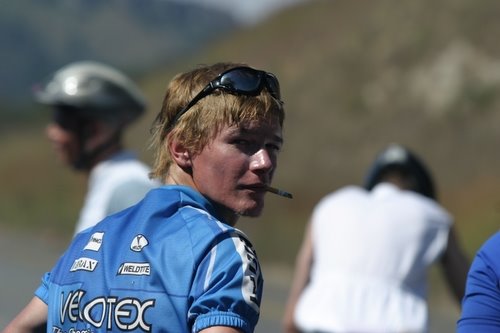
About 12 of us got together on Sunday at 10:15 at KFC, and then cycled the OFM route. After vrotting in the hostel once again, and being miffed because of a bit of a miscommunication with Fransa, and passing up the weekend's Adventure Race in Clocolan with Ina, I needed some serious stress relief. Well, I got it. It was my second time on the bike in...3-6 weeks.
It felt great to be in the saddle again, and I actually couldn't hold myself back. he guys wanted to poer poer along at a sedate pace and I was just enjoying it. We cycled out past the airport, then through Heuwilsig, then up the Kimberley climb, and out to Glen. At about 80km I suddenly felt quite kak, and then hit the wall. I sort've excepected to run out of gas at 70-80km, but I didn't expect it to be so sudden or bad. Limped home after shooting up on Coca Cola and some chips. Chech these stats:
Total time: 4 hours
Total Distance: 107km
Maximum Heart Rate: 181 (average 151)
Total calories: 4334
And had a nice vomit afterwards. Met Fransa in the evening for a lovely dinner slept well last night.
Ps. Reporter.co.za have also selected me to represent them at a media conference in Grahamstown next month.
Above image courtesy of topleftpixel.com
Ad Awards
The holy grail of advertising will become even more important, far more important in the future, than the tools used in today’s merely ‘entertaining’ messages.
Here’s a word – just one word – that should guide young creative people (and their directors) when they’re conceiving their advertising communication concept. Relevance. Relevance means something that is applicable, pertinent, important, valuable, usable and having consequence. Advertising, commonly, doesn’t, which is why people find advertising intrusive, irritating and a waste of their attention.
The more relevant advertising is the more effective it necessarily becomes. To be relevant messages can be customized, but in mainstream media (TV, radio etc) messages cannot always be customized to an individual level. They can be customised to certain fragments of the market, such as males, or females, or mothers (as KFC has done).
Being relevant may seem boring, but with discipline, hard work, and a conscious approach, relevance can produce advertising that people actually appreciate, and a message that is actually high-quality. In short, relevance is the best way to produce advertising that actually works. But being relevant is tough. It’s not easy because to be relevant and high quality means the number of options become limited. Here advertising needs to find the ‘truth’ that shows off the product or service best to the consumer, but in a way that also promotes the product honestly. This is the perfect trade-off. The seller and buyer meet one another halfway, with neither seeking to rip off the other.*
The challenge behind being relevant is being clever in a way that demonstrates high degrees of insight and perception into the contemporary social mainframe.
Rocks
There’s an excellent new ABSA ad which, for once, has something really useful and vital and real to convey to consumers. It shows various purchases, instead of in cash terms (or as credit card transactions), but with actual objects, as metaphors, being swapped in exchange for food or clothes. The commercial is about giving away your dreams, by spending your way into debt. It’s about the opportunity costs of unconscious and self indulgent consumption. What’s quite poignant, for me, is a mother at the counter handing over her young son’s (who is right there beside her) university education (symbolized) by the graduation hat and gown, and then, seeing the look in his eyes, thinking better of it.
2 other good, relevant ads are the Med Lemon/witchdoctor ad and the Sunlight soap 650 (or something) dish washing ads.
Another ad that is just fun to watch (and shows off the product brilliantly) is the one with the mini racing to hospital, after the guys girlfriend gets stung by a bee. Same with the Jetta and the guy who pitches up late with the pink feather in his collar. Nice, but not relevant. What, beyond what these cars look like, can they offer? What we’d especially like to know now is how much do they cost and exactly how fuel efficient are they?
Huh?
Carling Black Label must think masculinity and intelligence are mutually exclusive. You have to be a dope to drink Carling Black Label, well, based on their advertising anyway.
In their latest offering, we see some men – ferrymen I think – who fall into a river. Suddenly the river becomes a raging mass of whitewater. The heroes on land get on motorbikes and get far enough downstream to saw through a conveniently located pine tree growing right beside the river. The tree falls in the water (presumably serving as a very long lifebuoy). Here’s what makes this ad incredibly stupid. By having a giant tree slam down in the river with approaching swimmers only metres away it’s perhaps a more effective way of killing them than the river. Also, in the section of river where the tree crashes down the river looks pretty calm to me. Not a sea – er – riverhorse in sight.
This is as bad as the previous Carling Black Label ad, where fleets of bakkies illuminate a makeshift runway for a plane in trouble (thereby somehow out sprinting an airplane that appears to be flying in a straight line).
I have an idea for a dodgy follow up to this one. Two guys are out in the desert hiking, when one of them gets bitten by a snake in the hand. His buddy calls a nearby farmhouse, and the farmhands grab mountain bikes and the odd horse and quickly find the two hikers. One muscular chap then pulls out a knife, and slices into the snakebite while others hold him down, and apply tourniquets. Maybe they can even pour beer over the venom bubbling out the bleeding wound. Cut to a fellowship campfire shot (backlit by Death Valley type mountains) with the luckless snakebitten fellow looking sheepish but – raising a beer – well on the mend. It’s right in line with the other two ads, because the last thing you should do to a person with a snake bite to cut them. Some people have bled to death that way. But at least people may buy the beer for use as an anti-venom.
Rubbish
This ad would be quite promising if it wasn’t about baby foods. It might work well for a university or advertising school promoting its courses, or to promote the use of the internet or some kind of unusual educational product. You see a young person doing apparently silly things (watching a washing machine while ‘floating’ on a steel table on wheels, shooting upwards in a glass elevator at night, watching a television upside down etc.) All this creative silliness makes sense when we see the boy as a grown up astronaut, floating in space. Nice, clever, but what does all that have to do with baby food? If you’re advertising baby food, try to remember that it has something to do with those tiny little human beings that the gooey food is made for. Odds are this commercial was conceived by a young guy with a girlfriend, who hasn’t seen or held a baby in months. Too much of a giant leap of the imagination guy. Try something else, and make sure it’s relevant.
*Buyers attempt to ‘rip off’ sellers by always demanding discounts or special offers, and not making transactions unless offered ‘special terms’. Sellers do so by pretending to offer something that is better than it really is.
Here’s a word – just one word – that should guide young creative people (and their directors) when they’re conceiving their advertising communication concept. Relevance. Relevance means something that is applicable, pertinent, important, valuable, usable and having consequence. Advertising, commonly, doesn’t, which is why people find advertising intrusive, irritating and a waste of their attention.
The more relevant advertising is the more effective it necessarily becomes. To be relevant messages can be customized, but in mainstream media (TV, radio etc) messages cannot always be customized to an individual level. They can be customised to certain fragments of the market, such as males, or females, or mothers (as KFC has done).
Being relevant may seem boring, but with discipline, hard work, and a conscious approach, relevance can produce advertising that people actually appreciate, and a message that is actually high-quality. In short, relevance is the best way to produce advertising that actually works. But being relevant is tough. It’s not easy because to be relevant and high quality means the number of options become limited. Here advertising needs to find the ‘truth’ that shows off the product or service best to the consumer, but in a way that also promotes the product honestly. This is the perfect trade-off. The seller and buyer meet one another halfway, with neither seeking to rip off the other.*
The challenge behind being relevant is being clever in a way that demonstrates high degrees of insight and perception into the contemporary social mainframe.
Rocks
There’s an excellent new ABSA ad which, for once, has something really useful and vital and real to convey to consumers. It shows various purchases, instead of in cash terms (or as credit card transactions), but with actual objects, as metaphors, being swapped in exchange for food or clothes. The commercial is about giving away your dreams, by spending your way into debt. It’s about the opportunity costs of unconscious and self indulgent consumption. What’s quite poignant, for me, is a mother at the counter handing over her young son’s (who is right there beside her) university education (symbolized) by the graduation hat and gown, and then, seeing the look in his eyes, thinking better of it.
2 other good, relevant ads are the Med Lemon/witchdoctor ad and the Sunlight soap 650 (or something) dish washing ads.
Another ad that is just fun to watch (and shows off the product brilliantly) is the one with the mini racing to hospital, after the guys girlfriend gets stung by a bee. Same with the Jetta and the guy who pitches up late with the pink feather in his collar. Nice, but not relevant. What, beyond what these cars look like, can they offer? What we’d especially like to know now is how much do they cost and exactly how fuel efficient are they?
Huh?
Carling Black Label must think masculinity and intelligence are mutually exclusive. You have to be a dope to drink Carling Black Label, well, based on their advertising anyway.
In their latest offering, we see some men – ferrymen I think – who fall into a river. Suddenly the river becomes a raging mass of whitewater. The heroes on land get on motorbikes and get far enough downstream to saw through a conveniently located pine tree growing right beside the river. The tree falls in the water (presumably serving as a very long lifebuoy). Here’s what makes this ad incredibly stupid. By having a giant tree slam down in the river with approaching swimmers only metres away it’s perhaps a more effective way of killing them than the river. Also, in the section of river where the tree crashes down the river looks pretty calm to me. Not a sea – er – riverhorse in sight.
This is as bad as the previous Carling Black Label ad, where fleets of bakkies illuminate a makeshift runway for a plane in trouble (thereby somehow out sprinting an airplane that appears to be flying in a straight line).
I have an idea for a dodgy follow up to this one. Two guys are out in the desert hiking, when one of them gets bitten by a snake in the hand. His buddy calls a nearby farmhouse, and the farmhands grab mountain bikes and the odd horse and quickly find the two hikers. One muscular chap then pulls out a knife, and slices into the snakebite while others hold him down, and apply tourniquets. Maybe they can even pour beer over the venom bubbling out the bleeding wound. Cut to a fellowship campfire shot (backlit by Death Valley type mountains) with the luckless snakebitten fellow looking sheepish but – raising a beer – well on the mend. It’s right in line with the other two ads, because the last thing you should do to a person with a snake bite to cut them. Some people have bled to death that way. But at least people may buy the beer for use as an anti-venom.
Rubbish
This ad would be quite promising if it wasn’t about baby foods. It might work well for a university or advertising school promoting its courses, or to promote the use of the internet or some kind of unusual educational product. You see a young person doing apparently silly things (watching a washing machine while ‘floating’ on a steel table on wheels, shooting upwards in a glass elevator at night, watching a television upside down etc.) All this creative silliness makes sense when we see the boy as a grown up astronaut, floating in space. Nice, clever, but what does all that have to do with baby food? If you’re advertising baby food, try to remember that it has something to do with those tiny little human beings that the gooey food is made for. Odds are this commercial was conceived by a young guy with a girlfriend, who hasn’t seen or held a baby in months. Too much of a giant leap of the imagination guy. Try something else, and make sure it’s relevant.
*Buyers attempt to ‘rip off’ sellers by always demanding discounts or special offers, and not making transactions unless offered ‘special terms’. Sellers do so by pretending to offer something that is better than it really is.
Is Highlander II the worst movie ever made?
What possessed Christopher Lambert, Sean Connery and Virginia Madsen to appear in such a stupid movie?
Michael Ironside is Captain Katana. It’s very clever, isn’t it, a movie about swordfighters and the evil antagonist has a name that is Japanese for sword. Actually, no, it’s not so clever. Neither are the scenes of aliens flying through the streets on hang gliders, so that it takes quite a while to bring both players into a position for a single sword collision.
The movie starts a bit like the first Highlander (which millions loved), but instead of opening in a wrestling dome, has a very old Christopher Lambert slumped on a chair, falling asleep, half watching a pretty boring opera. The picture of him slumping in the chair soon becomes a mirror for just about every audience mirror who is dumb enough to expose themselves to such vomit-bad cinema.
He then goes to a nearby watering hole and encounters someone (who has just appeared on TV). I went to the loo at this point and when I came back they were making love, so not sure how, in barely one or two minutes, that happened. Oh, now I remember. Lambert suddenly becomes very young (against his will), and is so hot, that Virginia Madsen just has to have him immediately.
There’s another ludicrous scene involving a taxi driver and Michael Ironside. Ironside stabs his sword through the divider that separates driver from passenger – and the driver seems to get a kick of it, chortling: “Shit, fuck, yeah man! Out of control.” But then he starts to lose his nerve and says: “Shit man, I should have stayed in school.”
After Ironside has turned the car into crumpled metal and glass fragments (for fun I suppose), he murmurs in the cabbies ear: “Put this on my tab, and Jerry, add a little something for yourself.” Um…yeah.
There’s an okay scene after a lightning bolt throws Sean Connery into the middle of Hamlet at a theatre in Edinburgh. Connery walks into the ‘oldest tailor store in Scotland’ and does some modeling for us while he’s getting dressed. He does have style, but did he even read the script before acting in this dud?
Then there’s a scene where Virginia Madsen tries to demystify the whole Highlander scenario: “So you guys can live forever on earth, unless your heads get chopped off, but when only one of you is left, then you’re mortal again, otherwise if more of you people come from your planet then you become immortal again, unless you go back to your planet.”
“Something like that,” MacLeod sniggers.
It’s at this point that someone needed to give him a mighty whack on the back of his head.
Meanwhile, it’s 2024 and Ramirez (Connery) is flying without any money, in a propeller driven plane. Huh? But the safety film he watches on the plane is a classic.
Ironside, in a church, says to the highlander: “Ashes to ashes, dust to dust. If you don’t take it out and use it, it’s going to rust.”
The Highlander responds: “After all these years, you’re still a jerk. I was ready to grow old and die. You changed everything. Now, I’m immortal again.” Okay-y-y.
Then we cut again to a red sky. Now I wonder: How do electromagnetic rays protect the atmosphere from solar radiation?
Taking their cue again from the first movie, we have the car chase supplanted by an underground subway train under Ironside’s control. He pushes a lever forward, making the train go as fast as it can, which turns out to be supersonic speed. As the train speeds up, eyes pop out of heads and lights shatter. Um…yeah.
Cheesiest line of the whole movie: “Say goodbye Highlander.”
“Why, are you going somewhere?”
So was there anything I liked about the film? Sure, the safety flick Connery watches on board the airplane is a classic. And there’s something evocative about the Highlander talking about the world (our world) as a sort of Paradise Lost. Since the atmosphere, sun and seasons are gone, he has to explain to Madsen what the world was like before she was born, and the world we know so well.
The Highlander describes: “The smell of the grass after the rain. The clouds. We thought it would last forever.” It evoked the strong theme of the first flick – of the impermanence of life, its frailty, but also its subtle beauty and power, and how valuable our relationships and genealogical history can become. It’s also about where we come from, the tapestry of the past unfolding into our time. But Highlander II fleetingly touches on this, and then loses the plot completely.
The most absurd scene: Amazing grace, the bagpipe version, and Connery somehow moving a giant steel extractor fan with a cocoon of light that hatches out of the palm of his hand. Who knows how that’s supposed to make sense?
And finally: Isn’t it funny how the girl appears to still love the hero, just after he has brutally decapitated his foe. When she runs forward to embrace him, isn’t she worried she might stumble over the errant head, slip on the blood, or get brainy goo on her blouse.
Apparently, ‘a kind of magic’ overwhelms these sensibilities, or we have become so dumbed-down by stupid entertainment that we don’t notice.
Michael Ironside is Captain Katana. It’s very clever, isn’t it, a movie about swordfighters and the evil antagonist has a name that is Japanese for sword. Actually, no, it’s not so clever. Neither are the scenes of aliens flying through the streets on hang gliders, so that it takes quite a while to bring both players into a position for a single sword collision.
The movie starts a bit like the first Highlander (which millions loved), but instead of opening in a wrestling dome, has a very old Christopher Lambert slumped on a chair, falling asleep, half watching a pretty boring opera. The picture of him slumping in the chair soon becomes a mirror for just about every audience mirror who is dumb enough to expose themselves to such vomit-bad cinema.
He then goes to a nearby watering hole and encounters someone (who has just appeared on TV). I went to the loo at this point and when I came back they were making love, so not sure how, in barely one or two minutes, that happened. Oh, now I remember. Lambert suddenly becomes very young (against his will), and is so hot, that Virginia Madsen just has to have him immediately.
There’s another ludicrous scene involving a taxi driver and Michael Ironside. Ironside stabs his sword through the divider that separates driver from passenger – and the driver seems to get a kick of it, chortling: “Shit, fuck, yeah man! Out of control.” But then he starts to lose his nerve and says: “Shit man, I should have stayed in school.”
After Ironside has turned the car into crumpled metal and glass fragments (for fun I suppose), he murmurs in the cabbies ear: “Put this on my tab, and Jerry, add a little something for yourself.” Um…yeah.
There’s an okay scene after a lightning bolt throws Sean Connery into the middle of Hamlet at a theatre in Edinburgh. Connery walks into the ‘oldest tailor store in Scotland’ and does some modeling for us while he’s getting dressed. He does have style, but did he even read the script before acting in this dud?
Then there’s a scene where Virginia Madsen tries to demystify the whole Highlander scenario: “So you guys can live forever on earth, unless your heads get chopped off, but when only one of you is left, then you’re mortal again, otherwise if more of you people come from your planet then you become immortal again, unless you go back to your planet.”
“Something like that,” MacLeod sniggers.
It’s at this point that someone needed to give him a mighty whack on the back of his head.
Meanwhile, it’s 2024 and Ramirez (Connery) is flying without any money, in a propeller driven plane. Huh? But the safety film he watches on the plane is a classic.
Ironside, in a church, says to the highlander: “Ashes to ashes, dust to dust. If you don’t take it out and use it, it’s going to rust.”
The Highlander responds: “After all these years, you’re still a jerk. I was ready to grow old and die. You changed everything. Now, I’m immortal again.” Okay-y-y.
Then we cut again to a red sky. Now I wonder: How do electromagnetic rays protect the atmosphere from solar radiation?
Taking their cue again from the first movie, we have the car chase supplanted by an underground subway train under Ironside’s control. He pushes a lever forward, making the train go as fast as it can, which turns out to be supersonic speed. As the train speeds up, eyes pop out of heads and lights shatter. Um…yeah.
Cheesiest line of the whole movie: “Say goodbye Highlander.”
“Why, are you going somewhere?”
So was there anything I liked about the film? Sure, the safety flick Connery watches on board the airplane is a classic. And there’s something evocative about the Highlander talking about the world (our world) as a sort of Paradise Lost. Since the atmosphere, sun and seasons are gone, he has to explain to Madsen what the world was like before she was born, and the world we know so well.
The Highlander describes: “The smell of the grass after the rain. The clouds. We thought it would last forever.” It evoked the strong theme of the first flick – of the impermanence of life, its frailty, but also its subtle beauty and power, and how valuable our relationships and genealogical history can become. It’s also about where we come from, the tapestry of the past unfolding into our time. But Highlander II fleetingly touches on this, and then loses the plot completely.
The most absurd scene: Amazing grace, the bagpipe version, and Connery somehow moving a giant steel extractor fan with a cocoon of light that hatches out of the palm of his hand. Who knows how that’s supposed to make sense?
And finally: Isn’t it funny how the girl appears to still love the hero, just after he has brutally decapitated his foe. When she runs forward to embrace him, isn’t she worried she might stumble over the errant head, slip on the blood, or get brainy goo on her blouse.
Apparently, ‘a kind of magic’ overwhelms these sensibilities, or we have become so dumbed-down by stupid entertainment that we don’t notice.
The Dark Tide of War
Iran and mutually assured destruction on August 22, 2006
by Nick van der Leek
I may have been mistaken. I wrote an article stating that I doubted the Iranians were trying to build nuclear weapons since they have very real energy needs, and have IAEA officials in situ, studying every new development of their nuclear programme.
That doesn’t mean Iran may not buy bombs from somewhere else, or that they can, at any time, decide to use their nuclear material for bombs. The other danger is that in learning the expertise now, for enriching uranium, it becomes part of their expertise forever after.
I read an article by Bernard Lewis, who is an expert on Iran (titled: Does Iran have something in store?). He writes about MAD – mutual assured destruction, and rightly points out that it is this concept that has contrained opponents from using weapons of mass destruction during the Cold War and beyond, up to the present date. The troubling truth is that now MAD may not be enough. It may have reached its sell by date.
This is because of the world theory espoused by the current government of Iran. It’s very different to every other nuclear armed government, including Pakistan and India. Their view is apocalyptic in the same way the Jewish and Christian faiths have a built in end –game scenario. Christians subscribe to Armageddon and the anti-Christ in their end times scenario, and Shiite Muslims await the return of the Hidden Imam, according to Lewis, which ends in the ‘final victory of forces of good over evil’.
Lewis also points out that Iran’s leader, Ahmadinejad ‘clearly believe that…the terminal struggle has already begun…and is indeed well advanced’. This Iranian President has also referred specifically to a date: August 22. Lewis ponders the significance of this stated date, writing ‘…August 22 corresponds, in the Islamic calendar, to the 27th day of the month of Rajab of the year 1427.’ Muslims traditionally commemorate this day when the prophet Muhammad flew away on a winged horse to a faraway mosque (which many believe is Jerusalem), and then to heaven and back, according to the Koran (XVII.1).
Lewis believes that August 22 (and the beliefs associated with it) may well be seen by Ahmadinejad as ‘the appropriate date for the apocalyptic ending of Israel, and if necessary of the world.’ Lewis goes on to say that we cannot be certain that Ahmadinejad has plans for catastrophic events on August 22, but suggests that we be vigilant and at least aware of these relevant Muslim philosophies.
Lewis also quotes this alarming passage from a grade 11 schoolbook, first penned by the Ayatollah Khomeini. “I am decisively announcing to the whole world that if the world-devourers (infidel powers) wish to stand against our religion, we will stand against their whole world, and will not cease until the annihilation of all of them. Either we all become free, or we will go to the greater freedom which is martyrdom. Either we… [celebrate] the victory of Islam in the world, or all of us will turn to eternal life and martyrdom. In both cases, victory and success are ours.”
Bernard Lewis then illustrates an alarming outcome: “For people with this mindset, MAD (mutually assured destruction) is not a constraint; it is an inducement.”
If we consider how many martyrdom acts we’re seeing, and the vigor and enthusiasm in which these acts are perpetrated, it’s easier to understand the power of the mentality (espoused above) that supports this bloodthirsty behavior. I personally believe that the trends we’re seeing – in martyrdom operations everywhere – are accelerating in intensity and ferocity.
It is difficult to imagine how men and women ever managed to conjure up such a view of the world, and of life and death. Of course, it is extreme self justification, of one’s exclusive right to heaven and god, and all other people are subhuman. In fact, Muslims believe that even when they kill fellow Muslims (through collateral damage), these Muslims go straight to heaven, and everyone else goes straight to hell, and having been spared the burdens of martyrdom, these victims are really not victims at all, but ought to welcome their release from the sufferings of the Earth.
It is likely, given the current conflict in Northern Israel, that we will see more and more direct involvement from Iran. There can be no doubt that Iran is supporting Hezbollah. It is a matter of time before that support becomes more manifest. This will no doubt happen when Israel begins to move closer to overcoming Hezbollah.
Meanwhile Iran is faced with a choice. Which enemy do they wipe out first, as they begin to ‘stand against the whole world’ in the name if a victory for Islam? The little Satan (Israel) or the big Satan (the USA)? I agree with Lewis that it’s likely that as soon as they can get their hands on a nuclear warhead, they will point it in the direction of Israel. It’s also likely that North Korea or Pakistan have offered their hardware to Iran. And Israel has its own weapons poised and waiting in case of such an attack.
It’s chilling to think that, even with their awareness of mutually assured destruction, Iran may be mad enough to play their card and insodoing unleash the dark tide of war on the world. August 22 is more or less 1 week away.
by Nick van der Leek
I may have been mistaken. I wrote an article stating that I doubted the Iranians were trying to build nuclear weapons since they have very real energy needs, and have IAEA officials in situ, studying every new development of their nuclear programme.
That doesn’t mean Iran may not buy bombs from somewhere else, or that they can, at any time, decide to use their nuclear material for bombs. The other danger is that in learning the expertise now, for enriching uranium, it becomes part of their expertise forever after.
I read an article by Bernard Lewis, who is an expert on Iran (titled: Does Iran have something in store?). He writes about MAD – mutual assured destruction, and rightly points out that it is this concept that has contrained opponents from using weapons of mass destruction during the Cold War and beyond, up to the present date. The troubling truth is that now MAD may not be enough. It may have reached its sell by date.
This is because of the world theory espoused by the current government of Iran. It’s very different to every other nuclear armed government, including Pakistan and India. Their view is apocalyptic in the same way the Jewish and Christian faiths have a built in end –game scenario. Christians subscribe to Armageddon and the anti-Christ in their end times scenario, and Shiite Muslims await the return of the Hidden Imam, according to Lewis, which ends in the ‘final victory of forces of good over evil’.
Lewis also points out that Iran’s leader, Ahmadinejad ‘clearly believe that…the terminal struggle has already begun…and is indeed well advanced’. This Iranian President has also referred specifically to a date: August 22. Lewis ponders the significance of this stated date, writing ‘…August 22 corresponds, in the Islamic calendar, to the 27th day of the month of Rajab of the year 1427.’ Muslims traditionally commemorate this day when the prophet Muhammad flew away on a winged horse to a faraway mosque (which many believe is Jerusalem), and then to heaven and back, according to the Koran (XVII.1).
Lewis believes that August 22 (and the beliefs associated with it) may well be seen by Ahmadinejad as ‘the appropriate date for the apocalyptic ending of Israel, and if necessary of the world.’ Lewis goes on to say that we cannot be certain that Ahmadinejad has plans for catastrophic events on August 22, but suggests that we be vigilant and at least aware of these relevant Muslim philosophies.
Lewis also quotes this alarming passage from a grade 11 schoolbook, first penned by the Ayatollah Khomeini. “I am decisively announcing to the whole world that if the world-devourers (infidel powers) wish to stand against our religion, we will stand against their whole world, and will not cease until the annihilation of all of them. Either we all become free, or we will go to the greater freedom which is martyrdom. Either we… [celebrate] the victory of Islam in the world, or all of us will turn to eternal life and martyrdom. In both cases, victory and success are ours.”
Bernard Lewis then illustrates an alarming outcome: “For people with this mindset, MAD (mutually assured destruction) is not a constraint; it is an inducement.”
If we consider how many martyrdom acts we’re seeing, and the vigor and enthusiasm in which these acts are perpetrated, it’s easier to understand the power of the mentality (espoused above) that supports this bloodthirsty behavior. I personally believe that the trends we’re seeing – in martyrdom operations everywhere – are accelerating in intensity and ferocity.
It is difficult to imagine how men and women ever managed to conjure up such a view of the world, and of life and death. Of course, it is extreme self justification, of one’s exclusive right to heaven and god, and all other people are subhuman. In fact, Muslims believe that even when they kill fellow Muslims (through collateral damage), these Muslims go straight to heaven, and everyone else goes straight to hell, and having been spared the burdens of martyrdom, these victims are really not victims at all, but ought to welcome their release from the sufferings of the Earth.
It is likely, given the current conflict in Northern Israel, that we will see more and more direct involvement from Iran. There can be no doubt that Iran is supporting Hezbollah. It is a matter of time before that support becomes more manifest. This will no doubt happen when Israel begins to move closer to overcoming Hezbollah.
Meanwhile Iran is faced with a choice. Which enemy do they wipe out first, as they begin to ‘stand against the whole world’ in the name if a victory for Islam? The little Satan (Israel) or the big Satan (the USA)? I agree with Lewis that it’s likely that as soon as they can get their hands on a nuclear warhead, they will point it in the direction of Israel. It’s also likely that North Korea or Pakistan have offered their hardware to Iran. And Israel has its own weapons poised and waiting in case of such an attack.
It’s chilling to think that, even with their awareness of mutually assured destruction, Iran may be mad enough to play their card and insodoing unleash the dark tide of war on the world. August 22 is more or less 1 week away.
Truth vs Fiction in Film
We resent movies when they turn out to be bogus depictions of what really happened
by Nick van der Leek
A Beautiful Mind is a beautiful movie. It’s intelligent, the actors and acting is top notch, and it’s a heartwarming story that both inspires and enlightens. It’s based on a true story, written by Akiva Goldsmith.
I went out and bought the book, and was astonished to find that the book was several degrees better than the film. I’d give the film a very high rating, 9 out of 10, and the book is even better; a phenomenally good read. Part of the reason is because it is the true story of the exceptionally talented genius, John Nash, and also because it is such an incredible story. Goldsmith renders a complex story – something like a deep and intricate algorithm – with wit, intelligence and a skillfulness that is breathtaking.
In the book are also photographs of the real John Nash, and after a while I found myself resenting Ron Howard’s interpretation. Not because his movie is bad, but because it appears to be so false. For example, Nash never saw three apparitions following him around (as depicted in the film). Howard has simplified reality into a sort’ve candy box style. Yes, it’s easy to understand and simple enough to consume, but it’s not really factually correct. The only aspect that is correct is the broad theme of a woman who supports her husband despite his insanity, and his ability, through his own brilliance, to ‘solve the problem’ of his schizoid disconnect with reality.
After reading the book I found a website, and even emailed John Nash, since he was (at the time) still haunting the grounds at Princeton University. I don’t recall receiving a reply. I imagine thousands of people did exactly what I did, and probably overwhelmed his inbox. But I have seen people on film and TV, emailed them, and received replies. Now that’s reality.
The movie mentions nothing of Nash’s problems with his own son (who also suffered from a mental disorder), or his homosexuality, or his athletism (he was built like an Olympian). As far as I can recall (from reading the book), his wife left him for a period, and they were then later reunited – which makes that amazing gesture (his wife decides to not commit him to a sanitarium but to care for him herself instead) in the movie seem quaint and fanciful, and pretty damn unlikely. If the sentence above bothers you, because it is a bit vague and unsure of itself, then the movie ought to bother you too. I’d like to make specific references to the book but I have lent it out so many times that I don’t have it with me anymore, and whoever does have it has probably decided not to return it.
Another excellent movie based on a real person is Shine, about the talented Australian pianist David Helfgott. Someone has my copy of the movie at present so if I have the spelling of his name incorrect, please forgive me. Once again, if you find it hard to forgive me for not being accurate, you ought to be very upset at how Helfgott has been rendered. First of all, Helfgott is bald. He doesn’t look at all like the charming and funny actor that represents him. Secondly, his wife, who seems sweet and genuine in the movie, in reality, is despised by Helfgott’ family as a gold digger who basically uses him – he is apparently a zombie unable to make sense of the world – to perform at concerts and she pockets all the proceeds. When I was in South Korea he performed there. I wanted to attend a concert, until someone said to me, “He is very overrated. Technically he’s actually not very good, he’s just a celebrity because of the movie.” Apparently he makes plenty of errors in a performance. I’m sorry I missed him play though. I’m no aficionado, but I would have liked to have seen and heard the real person for myself. The other thing was the photo of Helfgott that I saw on the internet depicted a rather sorry looking fellow. He had none of the triumph or charisma of his movie double.
At least the movie Shine does capture the essence of being pushed to breaking point, of raw talent becoming ruined and shipwrecked, but finally resurrected once again in time (which also happens in A Beautiful Mind).
Isak Dineson’s book, Out of Africa, is about the life of the Danish aristocrat Karen Blixen in Kenya (around Ngong). Much of what happens in the movie corresponds to the book, and I think Meryl Streep does an awesome job of representing Karen Blixen. But Robert Redford looks nothing like Denis Finch Hutton. Finch Hutton is very tall and very very bald.
The worst example of fiction being far worse than the real thing, is Luc Besson’s movie, The Messenger, based on ‘Joan of Arc’. He casts ex-model (actually I saw her in a Loreal ad on television last night, so she’s still modeling) Milla Jovovich in the role of Jeanne and makes her into a crazy, on again off again, heroic then mad then bloodthirsty hero. Before this film emerged, in fact, well before, I studied real court documents that included actual words Jeanne was said to have spoken. There’s an incredible amount of data and dialogue – lots of Jeanne’s own words about herself, her beliefs, and her motivations – from her year long trial in 1429/1430 (in fact they are the world’s oldest complete trial documents), including doodles that suggest what Jeanne looked like.
Interestingly, in all the information that we have on Jeanne (and there is a fantastic amount with far more specifics than we have for Jesus) nowhere is any mention made of Jeanne’s appearance. Nothing about her hair or eye color, or her beauty. It is amazing to me that such a powerful woman in history, a girl really, who led armies into battle, and basically brought the country of France into existence through her courage, passion and inspiration, was admired for qualities that had nothing to do with her appearance. What a difference to the world of today!
The film, when compared to the literature we have on Jeanne, is awful, especially the numerous appearances of Dustin Hoffman as the ‘devil’.
Mel Gibson’s Passion of Christ is similarly delusional, with its gratuitous violence and fanciful depictions of the devil. Did the devil really wander around the way Gibson has represented it? It may seem so, it may be convenient to say so, and it may help make a more powerful movie, but that aspect jarred a lot with my sensitivities. I mean, have you (has anyone) seen the devil? The depiction of South Africans in Lethal Weapon 2, and Gibson’s allusions to the white South Africans as Nazi/Aryan/Master Race/Germanesque offshoots is similarly disturbing. Both movies, Passion of the Christ, and Lethal Weapon, demonstrate how a bit of knowledge, or even a lot, isn’t quite reality. Movie depictions about religion, including Christianity, are some of the most fanciful projects imaginable because there is no consensus about what was or wasn’t mythical.
There are many others movies, and most are fascinating real life stories. But Julia Roberts doesn’t really resemble Erin Brokovitch at all (except for showing off her boobs) and Keira Knightley only has short hair and an English accent in common with recently deceased Domino Harvey.
Movies about reality do at least bring the tips of the iceberg of human experience into our quadrants of the universe. It’s up to us to find the truth behind the pictures, and explore and uncover the meaning their lives may hold for us. The good news is, there’s often a lot of meaning to be found.
by Nick van der Leek
A Beautiful Mind is a beautiful movie. It’s intelligent, the actors and acting is top notch, and it’s a heartwarming story that both inspires and enlightens. It’s based on a true story, written by Akiva Goldsmith.
I went out and bought the book, and was astonished to find that the book was several degrees better than the film. I’d give the film a very high rating, 9 out of 10, and the book is even better; a phenomenally good read. Part of the reason is because it is the true story of the exceptionally talented genius, John Nash, and also because it is such an incredible story. Goldsmith renders a complex story – something like a deep and intricate algorithm – with wit, intelligence and a skillfulness that is breathtaking.
In the book are also photographs of the real John Nash, and after a while I found myself resenting Ron Howard’s interpretation. Not because his movie is bad, but because it appears to be so false. For example, Nash never saw three apparitions following him around (as depicted in the film). Howard has simplified reality into a sort’ve candy box style. Yes, it’s easy to understand and simple enough to consume, but it’s not really factually correct. The only aspect that is correct is the broad theme of a woman who supports her husband despite his insanity, and his ability, through his own brilliance, to ‘solve the problem’ of his schizoid disconnect with reality.
After reading the book I found a website, and even emailed John Nash, since he was (at the time) still haunting the grounds at Princeton University. I don’t recall receiving a reply. I imagine thousands of people did exactly what I did, and probably overwhelmed his inbox. But I have seen people on film and TV, emailed them, and received replies. Now that’s reality.
The movie mentions nothing of Nash’s problems with his own son (who also suffered from a mental disorder), or his homosexuality, or his athletism (he was built like an Olympian). As far as I can recall (from reading the book), his wife left him for a period, and they were then later reunited – which makes that amazing gesture (his wife decides to not commit him to a sanitarium but to care for him herself instead) in the movie seem quaint and fanciful, and pretty damn unlikely. If the sentence above bothers you, because it is a bit vague and unsure of itself, then the movie ought to bother you too. I’d like to make specific references to the book but I have lent it out so many times that I don’t have it with me anymore, and whoever does have it has probably decided not to return it.
Another excellent movie based on a real person is Shine, about the talented Australian pianist David Helfgott. Someone has my copy of the movie at present so if I have the spelling of his name incorrect, please forgive me. Once again, if you find it hard to forgive me for not being accurate, you ought to be very upset at how Helfgott has been rendered. First of all, Helfgott is bald. He doesn’t look at all like the charming and funny actor that represents him. Secondly, his wife, who seems sweet and genuine in the movie, in reality, is despised by Helfgott’ family as a gold digger who basically uses him – he is apparently a zombie unable to make sense of the world – to perform at concerts and she pockets all the proceeds. When I was in South Korea he performed there. I wanted to attend a concert, until someone said to me, “He is very overrated. Technically he’s actually not very good, he’s just a celebrity because of the movie.” Apparently he makes plenty of errors in a performance. I’m sorry I missed him play though. I’m no aficionado, but I would have liked to have seen and heard the real person for myself. The other thing was the photo of Helfgott that I saw on the internet depicted a rather sorry looking fellow. He had none of the triumph or charisma of his movie double.
At least the movie Shine does capture the essence of being pushed to breaking point, of raw talent becoming ruined and shipwrecked, but finally resurrected once again in time (which also happens in A Beautiful Mind).
Isak Dineson’s book, Out of Africa, is about the life of the Danish aristocrat Karen Blixen in Kenya (around Ngong). Much of what happens in the movie corresponds to the book, and I think Meryl Streep does an awesome job of representing Karen Blixen. But Robert Redford looks nothing like Denis Finch Hutton. Finch Hutton is very tall and very very bald.
The worst example of fiction being far worse than the real thing, is Luc Besson’s movie, The Messenger, based on ‘Joan of Arc’. He casts ex-model (actually I saw her in a Loreal ad on television last night, so she’s still modeling) Milla Jovovich in the role of Jeanne and makes her into a crazy, on again off again, heroic then mad then bloodthirsty hero. Before this film emerged, in fact, well before, I studied real court documents that included actual words Jeanne was said to have spoken. There’s an incredible amount of data and dialogue – lots of Jeanne’s own words about herself, her beliefs, and her motivations – from her year long trial in 1429/1430 (in fact they are the world’s oldest complete trial documents), including doodles that suggest what Jeanne looked like.
Interestingly, in all the information that we have on Jeanne (and there is a fantastic amount with far more specifics than we have for Jesus) nowhere is any mention made of Jeanne’s appearance. Nothing about her hair or eye color, or her beauty. It is amazing to me that such a powerful woman in history, a girl really, who led armies into battle, and basically brought the country of France into existence through her courage, passion and inspiration, was admired for qualities that had nothing to do with her appearance. What a difference to the world of today!
The film, when compared to the literature we have on Jeanne, is awful, especially the numerous appearances of Dustin Hoffman as the ‘devil’.
Mel Gibson’s Passion of Christ is similarly delusional, with its gratuitous violence and fanciful depictions of the devil. Did the devil really wander around the way Gibson has represented it? It may seem so, it may be convenient to say so, and it may help make a more powerful movie, but that aspect jarred a lot with my sensitivities. I mean, have you (has anyone) seen the devil? The depiction of South Africans in Lethal Weapon 2, and Gibson’s allusions to the white South Africans as Nazi/Aryan/Master Race/Germanesque offshoots is similarly disturbing. Both movies, Passion of the Christ, and Lethal Weapon, demonstrate how a bit of knowledge, or even a lot, isn’t quite reality. Movie depictions about religion, including Christianity, are some of the most fanciful projects imaginable because there is no consensus about what was or wasn’t mythical.
There are many others movies, and most are fascinating real life stories. But Julia Roberts doesn’t really resemble Erin Brokovitch at all (except for showing off her boobs) and Keira Knightley only has short hair and an English accent in common with recently deceased Domino Harvey.
Movies about reality do at least bring the tips of the iceberg of human experience into our quadrants of the universe. It’s up to us to find the truth behind the pictures, and explore and uncover the meaning their lives may hold for us. The good news is, there’s often a lot of meaning to be found.
Saturday, August 12, 2006

MAD = Mutual Assured Destruction
Does Iran have something in store?
BY BERNARD LEWIS
Tuesday, August 8, 2006 4:30 p.m. EDT
During the Cold War, both sides possessed weapons of mass destruction, but neither side used them, deterred by what was known as MAD, mutual assured destruction. Similar constraints have no doubt prevented their use in the confrontation between India and Pakistan. In our own day a new such confrontation seems to be looming between a nuclear-armed Iran and its favorite enemies, named by the late Ayatollah Khomeini as the Great Satan and the Little Satan, i.e., the United States and Israel. Against the U.S. the bombs might be delivered by terrorists, a method having the advantage of bearing no return address. Against Israel, the target is small enough to attempt obliteration by direct bombardment.
It seems increasingly likely that the Iranians either have or very soon will have nuclear weapons at their disposal, thanks to their own researches (which began some 15 years ago), to some of their obliging neighbors, and to the ever-helpful rulers of North Korea. The language used by Iranian President Ahmadinejad would seem to indicate the reality and indeed the imminence of this threat.
Would the same constraints, the same fear of mutual assured destruction, restrain a nuclear-armed Iran from using such weapons against the U.S. or against Israel?
There is a radical difference between the Islamic Republic of Iran and other governments with nuclear weapons. This difference is expressed in what can only be described as the apocalyptic worldview of Iran's present rulers. This worldview and expectation, vividly expressed in speeches, articles and even schoolbooks, clearly shape the perception and therefore the policies of Ahmadinejad and his disciples.
Even in the past it was clear that terrorists claiming to act in the name of Islam had no compunction in slaughtering large numbers of fellow Muslims. A notable example was the blowing up of the American embassies in East Africa in 1998, killing a few American diplomats and a much larger number of uninvolved local passersby, many of them Muslims. There were numerous other Muslim victims in the various terrorist attacks of the last 15 years.
The phrase "Allah will know his own" is usually used to explain such apparently callous unconcern; it means that while infidel, i.e., non-Muslim, victims will go to a well-deserved punishment in hell, Muslims will be sent straight to heaven. According to this view, the bombers are in fact doing their Muslim victims a favor by giving them a quick pass to heaven and its delights--the rewards without the struggles of martyrdom. School textbooks tell young Iranians to be ready for a final global struggle against an evil enemy, named as the U.S., and to prepare themselves for the privileges of martyrdom.
A direct attack on the U.S., though possible, is less likely in the immediate future. Israel is a nearer and easier target, and Mr. Ahmadinejad has given indication of thinking along these lines. The Western observer would immediately think of two possible deterrents. The first is that an attack that wipes out Israel would almost certainly wipe out the Palestinians too. The second is that such an attack would evoke a devastating reprisal from Israel against Iran, since one may surely assume that the Israelis have made the necessary arrangements for a counterstrike even after a nuclear holocaust in Israel.
The first of these possible deterrents might well be of concern to the Palestinians--but not apparently to their fanatical champions in the Iranian government. The second deterrent--the threat of direct retaliation on Iran--is, as noted, already weakened by the suicide or martyrdom complex that plagues parts of the Islamic world today, without parallel in other religions, or for that matter in the Islamic past. This complex has become even more important at the present day, because of this new apocalyptic vision.
In Islam, as in Judaism and Christianity, there are certain beliefs concerning the cosmic struggle at the end of time--Gog and Magog, anti-Christ, Armageddon, and for Shiite Muslims, the long awaited return of the Hidden Imam, ending in the final victory of the forces of good over evil, however these may be defined. Mr. Ahmadinejad and his followers clearly believe that this time is now, and that the terminal struggle has already begun and is indeed well advanced. It may even have a date, indicated by several references by the Iranian president to giving his final answer to the U.S. about nuclear development by Aug. 22. This was at first reported as "by the end of August," but Mr. Ahmadinejad's statement was more precise.
What is the significance of Aug. 22? This year, Aug. 22 corresponds, in the Islamic calendar, to the 27th day of the month of Rajab of the year 1427. This, by tradition, is the night when many Muslims commemorate the night flight of the prophet Muhammad on the winged horse Buraq, first to "the farthest mosque," usually identified with Jerusalem, and then to heaven and back (c.f., Koran XVII.1). This might well be deemed an appropriate date for the apocalyptic ending of Israel and if necessary of the world. It is far from certain that Mr. Ahmadinejad plans any such cataclysmic events precisely for Aug. 22. But it would be wise to bear the possibility in mind.
A passage from the Ayatollah Khomeini, quoted in an 11th-grade Iranian schoolbook, is revealing. "I am decisively announcing to the whole world that if the world-devourers [i.e., the infidel powers] wish to stand against our religion, we will stand against their whole world and will not cease until the annihilation of all them. Either we all become free, or we will go to the greater freedom which is martyrdom. Either we shake one another's hands in joy at the victory of Islam in the world, or all of us will turn to eternal life and martyrdom. In both cases, victory and success are ours."
In this context, mutual assured destruction, the deterrent that worked so well during the Cold War, would have no meaning. At the end of time, there will be general destruction anyway. What will matter will be the final destination of the dead--hell for the infidels, and heaven for the believers. For people with this mindset, MAD is not a constraint; it is an inducement.
How then can one confront such an enemy, with such a view of life and death? Some immediate precautions are obviously possible and necessary. In the long term, it would seem that the best, perhaps the only hope is to appeal to those Muslims, Iranians, Arabs and others who do not share these apocalyptic perceptions and aspirations, and feel as much threatened, indeed even more threatened, than we are. There must be many such, probably even a majority in the lands of Islam. Now is the time for them to save their countries, their societies and their religion from the madness of MAD.
BY BERNARD LEWIS
Tuesday, August 8, 2006 4:30 p.m. EDT
During the Cold War, both sides possessed weapons of mass destruction, but neither side used them, deterred by what was known as MAD, mutual assured destruction. Similar constraints have no doubt prevented their use in the confrontation between India and Pakistan. In our own day a new such confrontation seems to be looming between a nuclear-armed Iran and its favorite enemies, named by the late Ayatollah Khomeini as the Great Satan and the Little Satan, i.e., the United States and Israel. Against the U.S. the bombs might be delivered by terrorists, a method having the advantage of bearing no return address. Against Israel, the target is small enough to attempt obliteration by direct bombardment.
It seems increasingly likely that the Iranians either have or very soon will have nuclear weapons at their disposal, thanks to their own researches (which began some 15 years ago), to some of their obliging neighbors, and to the ever-helpful rulers of North Korea. The language used by Iranian President Ahmadinejad would seem to indicate the reality and indeed the imminence of this threat.
Would the same constraints, the same fear of mutual assured destruction, restrain a nuclear-armed Iran from using such weapons against the U.S. or against Israel?
There is a radical difference between the Islamic Republic of Iran and other governments with nuclear weapons. This difference is expressed in what can only be described as the apocalyptic worldview of Iran's present rulers. This worldview and expectation, vividly expressed in speeches, articles and even schoolbooks, clearly shape the perception and therefore the policies of Ahmadinejad and his disciples.
Even in the past it was clear that terrorists claiming to act in the name of Islam had no compunction in slaughtering large numbers of fellow Muslims. A notable example was the blowing up of the American embassies in East Africa in 1998, killing a few American diplomats and a much larger number of uninvolved local passersby, many of them Muslims. There were numerous other Muslim victims in the various terrorist attacks of the last 15 years.
The phrase "Allah will know his own" is usually used to explain such apparently callous unconcern; it means that while infidel, i.e., non-Muslim, victims will go to a well-deserved punishment in hell, Muslims will be sent straight to heaven. According to this view, the bombers are in fact doing their Muslim victims a favor by giving them a quick pass to heaven and its delights--the rewards without the struggles of martyrdom. School textbooks tell young Iranians to be ready for a final global struggle against an evil enemy, named as the U.S., and to prepare themselves for the privileges of martyrdom.
A direct attack on the U.S., though possible, is less likely in the immediate future. Israel is a nearer and easier target, and Mr. Ahmadinejad has given indication of thinking along these lines. The Western observer would immediately think of two possible deterrents. The first is that an attack that wipes out Israel would almost certainly wipe out the Palestinians too. The second is that such an attack would evoke a devastating reprisal from Israel against Iran, since one may surely assume that the Israelis have made the necessary arrangements for a counterstrike even after a nuclear holocaust in Israel.
The first of these possible deterrents might well be of concern to the Palestinians--but not apparently to their fanatical champions in the Iranian government. The second deterrent--the threat of direct retaliation on Iran--is, as noted, already weakened by the suicide or martyrdom complex that plagues parts of the Islamic world today, without parallel in other religions, or for that matter in the Islamic past. This complex has become even more important at the present day, because of this new apocalyptic vision.
In Islam, as in Judaism and Christianity, there are certain beliefs concerning the cosmic struggle at the end of time--Gog and Magog, anti-Christ, Armageddon, and for Shiite Muslims, the long awaited return of the Hidden Imam, ending in the final victory of the forces of good over evil, however these may be defined. Mr. Ahmadinejad and his followers clearly believe that this time is now, and that the terminal struggle has already begun and is indeed well advanced. It may even have a date, indicated by several references by the Iranian president to giving his final answer to the U.S. about nuclear development by Aug. 22. This was at first reported as "by the end of August," but Mr. Ahmadinejad's statement was more precise.
What is the significance of Aug. 22? This year, Aug. 22 corresponds, in the Islamic calendar, to the 27th day of the month of Rajab of the year 1427. This, by tradition, is the night when many Muslims commemorate the night flight of the prophet Muhammad on the winged horse Buraq, first to "the farthest mosque," usually identified with Jerusalem, and then to heaven and back (c.f., Koran XVII.1). This might well be deemed an appropriate date for the apocalyptic ending of Israel and if necessary of the world. It is far from certain that Mr. Ahmadinejad plans any such cataclysmic events precisely for Aug. 22. But it would be wise to bear the possibility in mind.
A passage from the Ayatollah Khomeini, quoted in an 11th-grade Iranian schoolbook, is revealing. "I am decisively announcing to the whole world that if the world-devourers [i.e., the infidel powers] wish to stand against our religion, we will stand against their whole world and will not cease until the annihilation of all them. Either we all become free, or we will go to the greater freedom which is martyrdom. Either we shake one another's hands in joy at the victory of Islam in the world, or all of us will turn to eternal life and martyrdom. In both cases, victory and success are ours."
In this context, mutual assured destruction, the deterrent that worked so well during the Cold War, would have no meaning. At the end of time, there will be general destruction anyway. What will matter will be the final destination of the dead--hell for the infidels, and heaven for the believers. For people with this mindset, MAD is not a constraint; it is an inducement.
How then can one confront such an enemy, with such a view of life and death? Some immediate precautions are obviously possible and necessary. In the long term, it would seem that the best, perhaps the only hope is to appeal to those Muslims, Iranians, Arabs and others who do not share these apocalyptic perceptions and aspirations, and feel as much threatened, indeed even more threatened, than we are. There must be many such, probably even a majority in the lands of Islam. Now is the time for them to save their countries, their societies and their religion from the madness of MAD.
Friday, August 11, 2006
Week End
I'm pretty relived to have reached the end of this week. Somehow, when I seemed to be sliding back into illness, my immunity booster must have kicked in, because after Tuesday I felt better and although still exhausted, feel much better today.
I have taken a lot of strain this week. Today, a student in my Business Economics class came within a whisker of attacking me. Another teacher (an ex-boxer) came to the class to remove him. Not nice at all.
Mr Cassar, headmaster of Eunice, came and gave an eloquent and excellent speech at the school. Brebner, as he says, has had some influence on the old city of Bloemfontein. Two hostels are named after the school (at Eunice and Oranje) and on my way to university I went past Brebner Road. I think he said the school was named after the first Head of Education, or something, of the Free State.
As expected, I spoke to Prof Raftery in my lecture today (which was cancelled), and as I expected, the pitch of her voice went up a few decibels, and she continued the trend of squashing whatever I had to say with her brand of verbosity. It wasn't a nice experience, and I don;t take any satisfaction referring this to the Head of the English Department. What else can you do with someone who cannot take the trouble to listen and respond in patient, and plain English?
I had a lovely sandwich and iced tea with Yolande - who gave me Charl's Cairo to Cape Point diary and DVD, and bought the remainder of the books I need. A student very kindly made me a copy of the study guide - of his - otherwise I still wouldn't have had one.
I'm happy about one thing. That Shape looks like they're going to publish the One Tough Cookie story.
Meanwhile, Jaco called me to say Heartland doesn't have any money to pay me. That's no surprise. What a bunch of fools I have had to suffer of late!
I have taken a lot of strain this week. Today, a student in my Business Economics class came within a whisker of attacking me. Another teacher (an ex-boxer) came to the class to remove him. Not nice at all.
Mr Cassar, headmaster of Eunice, came and gave an eloquent and excellent speech at the school. Brebner, as he says, has had some influence on the old city of Bloemfontein. Two hostels are named after the school (at Eunice and Oranje) and on my way to university I went past Brebner Road. I think he said the school was named after the first Head of Education, or something, of the Free State.
As expected, I spoke to Prof Raftery in my lecture today (which was cancelled), and as I expected, the pitch of her voice went up a few decibels, and she continued the trend of squashing whatever I had to say with her brand of verbosity. It wasn't a nice experience, and I don;t take any satisfaction referring this to the Head of the English Department. What else can you do with someone who cannot take the trouble to listen and respond in patient, and plain English?
I had a lovely sandwich and iced tea with Yolande - who gave me Charl's Cairo to Cape Point diary and DVD, and bought the remainder of the books I need. A student very kindly made me a copy of the study guide - of his - otherwise I still wouldn't have had one.
I'm happy about one thing. That Shape looks like they're going to publish the One Tough Cookie story.
Meanwhile, Jaco called me to say Heartland doesn't have any money to pay me. That's no surprise. What a bunch of fools I have had to suffer of late!
Kunstler # 1 and # 2
In a message dated 8/8/2006 1:36:14 P.M. Eastern Standard Time, nicolasvdl@yahoo.com writes:
I am guessing you found them quite hurtful.
Actually I didn't take them all that personally. But it's interesting to see how delusional people get when they are frightened.
Lookit, I think Israel is not to blame in this conflict, pure and simple. Hezbollah has been maliciously aggressive from the start and Lebanon has been irresponsible about controlling the activities of this vicious paramilitary.
Many of the other countries in the region are equally invented.
The region was historically called "Greater Syria" back in the 19th C. There was no such entity as Jordan, either, until the Brits handpicked a Hashimite Egyptian and put him on the throne of this new country.
Hezbollah deserves to get its ass kicked.
Jim
"It's All Good"
In a message dated 8/9/2006 9:32:08 A.M. Eastern Standard Time, nicolasvdl@yahoo.com writes:
but many feel the overwhelming force is too overwhelming
I guess the leaders of Lebanon should have considered the consequences when they allowed Hezbollah free rein to operate paramilitary operations against Israel in their country.
The world should not be surprised that civilians get killed when Hezbollah uses them as sandbags to defend their rocket emplacements.
Jim
"It's All Good"
I am guessing you found them quite hurtful.
Actually I didn't take them all that personally. But it's interesting to see how delusional people get when they are frightened.
Lookit, I think Israel is not to blame in this conflict, pure and simple. Hezbollah has been maliciously aggressive from the start and Lebanon has been irresponsible about controlling the activities of this vicious paramilitary.
Many of the other countries in the region are equally invented.
The region was historically called "Greater Syria" back in the 19th C. There was no such entity as Jordan, either, until the Brits handpicked a Hashimite Egyptian and put him on the throne of this new country.
Hezbollah deserves to get its ass kicked.
Jim
"It's All Good"
In a message dated 8/9/2006 9:32:08 A.M. Eastern Standard Time, nicolasvdl@yahoo.com writes:
but many feel the overwhelming force is too overwhelming
I guess the leaders of Lebanon should have considered the consequences when they allowed Hezbollah free rein to operate paramilitary operations against Israel in their country.
The world should not be surprised that civilians get killed when Hezbollah uses them as sandbags to defend their rocket emplacements.
Jim
"It's All Good"
Iran
Is the cup half empty, or half full?
by Nick van der Leek
August 2006. On this month much of the future hinges. We’ve seen some vital history in this month, and many probably doubt what is happening now is any more significant than what happened in any other month. Wrong.
In this month we have seen some of the fiercest fighting in the Middle East in decades, not only in Iraq (where civil war is said to be imminent, if it is not already a civil war), and Israel has launched an aggressive bid for its own right to survive in the region. The fighting on both these fronts is fierce, and the theatre is expanding. We’re seeing ground battles wages with larger and larger armies. Day long battles have gone on for weeks, and now it’s sure to last even longer.
It may seem irrelevant, then, to mention Alaska, but it is not. Prudhoe Bay represents one of the largest non-Middle East oil fields in the world. This field, which pipes oil south to America, has been shut down due to severe corrosion, and will be shutdown for months. As usual, this important news is immediately quashed with reports of how minimal the impact will be. How many reserves are here, and how easy it is to find capacity there. No, wrong, the impact of a 400 000 bpd cut over a period of months is a very serious strain on an already strait-jacket-tight oil market – tight enough to have the oil price hovering at $77 even before this announcement.
I don’t expect the price to breach $80 tomorrow, but you can’t hold back reality for very long. When it does breach $80, it will flood through it beyond $85. Then the words Oil Crisis will reverberate around the world and the global economic python will start to squeeze countries and the minions within them.
Against this background, we have Iran, who have been ordered to stop developing their nuclear technologies by the last day of August (that’s in about 2 and half weeks). Ali Larijani (the chief nuclear negotiator) has instead confirmed that Iran will expand the number of centrifuges they are running. They have been spinning their centrifuges in order to separate the denser material, thereby enriching the uranium. What will happen after August 31st? Something significant, either way. Either Iran will react to sanctions, or there will be some other kind of forceful measure, possibly even military, to expand America’s interest in this resource rich (in terms of energy) region.
At a news conference Larijani stated: “We will expand nuclear technology…and all of Iran’s nuclear technology including the (centrifuge) cascades…”
The West is overtly worried that this flat rejection of a UN Security Council resolution is because Iran wants to use uranium to make bombs. I doubt that this is the case. I doubt that Iran would do so given American Imperialism next door. I also doubt that Iran are being intentionally defiant. I believe Iran is well aware of how depleted their oil fields have become, they have certainly peaked in terms of production, and at the current rate of decline, Iranians know they will soon need an alternative source of energy to keep the lights on. Iran does not refine most of its own oil, it exports it as a raw product (hence is not able to use it until it is imported again as refined product). Thus Iran is in a difficult position, where its survival (long term) depends on its ability to find alternative energy.
What the West seems to forget (and leaders seldom point out), is that all activities in Iran are not secret, but under the noses of IAEA (International Atomic Energy Agency) officials. They are right there, on the ground in Iran, following exactly what is happening. Iran is completely transparent about what they are doing.
As in the case of the West, the media, as footstools of the powers of the West, have trumpeted the words “nuclear” and “bombs” in the same way that Saddam and Iraq was associated with “WMD’s, chemical weapons, murderer, dictator.” Those are great words to scare people, and whip up self-righteous activism. Simply put, the USA doesn’t really think Iran is building bombs, they (covertly) want to go on another foray to control access to the world’s second biggest oil fields (before other countries do).
They will be only too happy if their prodding and rhetoric causes Iran to expel the inspectors. If this happens, the West will feel they have a license, a mandate to call Iran guilty, and then all bets are off. That’s the game that’s in play.
Does the USA have a choice, being by far the world’s greatest consumers of energy? Will it matter much in the scheme of things if the USA goes home and downscales itself, or whether it exhausts its energies warring and sending armies everywhere, in search of less and less treasure? Energy will become more expensive whether they (or anyone else) control Iran or not. That’s the inescapable reality, that’s the absolute bottom line.
On the other hand, Iran may well be interested in building atom bombs. It would offer them a weapon to bring about their stated ambition to ‘wipe Israel’ off the map. It would also provide insurance against the world’s greatest nuclear power(the USA has more than 10 000 nuclear missiles) making similarly reckless incursions into their territories, as happened next door. Any country that wanted to protect its interests would do the same. North Korea has, and so has Pakistan. Why isn’t American smashing down their doors? America ignores North Korea, who is far more belligerent and apparently dangerous to Western interests than almost any other country. Earlier this year 6 missiles were fired and fell short of Japan. And yet Iran is the focus of Nuclear Obsession. Yeah right.
Yes, Iran may be interested (and with good reasons to do so) but I don’t think they are. They have more vital interests in mind. They are producing just enough material to produce a single nuclear warhead in about one year. If this isn’t bomb material, then what else could it possibly be used for? Are they on track to put a number of nuclear power stations online? Are these power plants in place? Of course they are. Imagine the USA forcing SA to abandon our plans for 24 pebble bed (nuclear) reactors because it ‘seemed’ like we ‘might’ be making nuclear weapons. Absurd! We’re not building bombs; we (and Iran) just don’t have enough electricity to power the future. The USA’s screams of ‘Nuclear Bomb’ has whipped the world again into a kind of I-feel-so-threatened hysteria.
Iran are sitting on what is believed to be the world’s second biggest reservoir of oil, but are only the 4th largest exporter of the stuff. Larijani has warned the UN Security Council not to impose sanctions on Iran, and if they do he said, “…we will react in a way that would be painful for them. They should not think they can hurt us and we would stand still.”
Iran has every right to develop their nuclear technologies. If the West is concerned, then they should have people looking at developments as they’re happening. And they are.
More important than any of these issues is this: How full are those oil reservoirs in the desert? My guess, looking at what is an increasingly desperate looking country, is that Iran is way past its sell by date when it comes to its oil. That’s bad news for everyone.
by Nick van der Leek
August 2006. On this month much of the future hinges. We’ve seen some vital history in this month, and many probably doubt what is happening now is any more significant than what happened in any other month. Wrong.
In this month we have seen some of the fiercest fighting in the Middle East in decades, not only in Iraq (where civil war is said to be imminent, if it is not already a civil war), and Israel has launched an aggressive bid for its own right to survive in the region. The fighting on both these fronts is fierce, and the theatre is expanding. We’re seeing ground battles wages with larger and larger armies. Day long battles have gone on for weeks, and now it’s sure to last even longer.
It may seem irrelevant, then, to mention Alaska, but it is not. Prudhoe Bay represents one of the largest non-Middle East oil fields in the world. This field, which pipes oil south to America, has been shut down due to severe corrosion, and will be shutdown for months. As usual, this important news is immediately quashed with reports of how minimal the impact will be. How many reserves are here, and how easy it is to find capacity there. No, wrong, the impact of a 400 000 bpd cut over a period of months is a very serious strain on an already strait-jacket-tight oil market – tight enough to have the oil price hovering at $77 even before this announcement.
I don’t expect the price to breach $80 tomorrow, but you can’t hold back reality for very long. When it does breach $80, it will flood through it beyond $85. Then the words Oil Crisis will reverberate around the world and the global economic python will start to squeeze countries and the minions within them.
Against this background, we have Iran, who have been ordered to stop developing their nuclear technologies by the last day of August (that’s in about 2 and half weeks). Ali Larijani (the chief nuclear negotiator) has instead confirmed that Iran will expand the number of centrifuges they are running. They have been spinning their centrifuges in order to separate the denser material, thereby enriching the uranium. What will happen after August 31st? Something significant, either way. Either Iran will react to sanctions, or there will be some other kind of forceful measure, possibly even military, to expand America’s interest in this resource rich (in terms of energy) region.
At a news conference Larijani stated: “We will expand nuclear technology…and all of Iran’s nuclear technology including the (centrifuge) cascades…”
The West is overtly worried that this flat rejection of a UN Security Council resolution is because Iran wants to use uranium to make bombs. I doubt that this is the case. I doubt that Iran would do so given American Imperialism next door. I also doubt that Iran are being intentionally defiant. I believe Iran is well aware of how depleted their oil fields have become, they have certainly peaked in terms of production, and at the current rate of decline, Iranians know they will soon need an alternative source of energy to keep the lights on. Iran does not refine most of its own oil, it exports it as a raw product (hence is not able to use it until it is imported again as refined product). Thus Iran is in a difficult position, where its survival (long term) depends on its ability to find alternative energy.
What the West seems to forget (and leaders seldom point out), is that all activities in Iran are not secret, but under the noses of IAEA (International Atomic Energy Agency) officials. They are right there, on the ground in Iran, following exactly what is happening. Iran is completely transparent about what they are doing.
As in the case of the West, the media, as footstools of the powers of the West, have trumpeted the words “nuclear” and “bombs” in the same way that Saddam and Iraq was associated with “WMD’s, chemical weapons, murderer, dictator.” Those are great words to scare people, and whip up self-righteous activism. Simply put, the USA doesn’t really think Iran is building bombs, they (covertly) want to go on another foray to control access to the world’s second biggest oil fields (before other countries do).
They will be only too happy if their prodding and rhetoric causes Iran to expel the inspectors. If this happens, the West will feel they have a license, a mandate to call Iran guilty, and then all bets are off. That’s the game that’s in play.
Does the USA have a choice, being by far the world’s greatest consumers of energy? Will it matter much in the scheme of things if the USA goes home and downscales itself, or whether it exhausts its energies warring and sending armies everywhere, in search of less and less treasure? Energy will become more expensive whether they (or anyone else) control Iran or not. That’s the inescapable reality, that’s the absolute bottom line.
On the other hand, Iran may well be interested in building atom bombs. It would offer them a weapon to bring about their stated ambition to ‘wipe Israel’ off the map. It would also provide insurance against the world’s greatest nuclear power(the USA has more than 10 000 nuclear missiles) making similarly reckless incursions into their territories, as happened next door. Any country that wanted to protect its interests would do the same. North Korea has, and so has Pakistan. Why isn’t American smashing down their doors? America ignores North Korea, who is far more belligerent and apparently dangerous to Western interests than almost any other country. Earlier this year 6 missiles were fired and fell short of Japan. And yet Iran is the focus of Nuclear Obsession. Yeah right.
Yes, Iran may be interested (and with good reasons to do so) but I don’t think they are. They have more vital interests in mind. They are producing just enough material to produce a single nuclear warhead in about one year. If this isn’t bomb material, then what else could it possibly be used for? Are they on track to put a number of nuclear power stations online? Are these power plants in place? Of course they are. Imagine the USA forcing SA to abandon our plans for 24 pebble bed (nuclear) reactors because it ‘seemed’ like we ‘might’ be making nuclear weapons. Absurd! We’re not building bombs; we (and Iran) just don’t have enough electricity to power the future. The USA’s screams of ‘Nuclear Bomb’ has whipped the world again into a kind of I-feel-so-threatened hysteria.
Iran are sitting on what is believed to be the world’s second biggest reservoir of oil, but are only the 4th largest exporter of the stuff. Larijani has warned the UN Security Council not to impose sanctions on Iran, and if they do he said, “…we will react in a way that would be painful for them. They should not think they can hurt us and we would stand still.”
Iran has every right to develop their nuclear technologies. If the West is concerned, then they should have people looking at developments as they’re happening. And they are.
More important than any of these issues is this: How full are those oil reservoirs in the desert? My guess, looking at what is an increasingly desperate looking country, is that Iran is way past its sell by date when it comes to its oil. That’s bad news for everyone.
Please note:
I have looked at the appropriate information for the procedures related to ENG 222 and ENG 322 – for dealing with a complaint – and so, did attempt to deal with this problem internally, with the lecturer.
I have tried to communicate my difficulties, most recently, by:
• Telephone, leaving a message, in 3 parts (on Tuesday 08-08-2006)
• In person (on Thursday 10-08-2006, between 17:10 and 18:20)
The telephone call on Tuesday was not returned, and when we spoke, in person, I did not feel it was communication, but a sort of one-way reactionary stream of justification. I felt, once again, that the lecturer was not permitting me to communicate my situation, and was once again admonished not to interrupt.
What I noticed in this latest encounter is a scenario where the lecturer feels entitled to verbally overwhelm the person she is talking to, and when an attempt is made to respond, one is immediately caught out for either interrupting, speaking too loud or something else. The bottom line is I once again did not feel listened to or understood, simply because I was not allowed to calmly and plainly explain things, and be allowed to calmly and plainly respond to her explanations.
Today I referred Prof Raftery to the letter attached below, suggesting that Prof Raftery might want to refer to it so she could clearly understand what my difficulties were. She asked whether the content of the letter was the same as the message I had left on her answering machine, and I replied that it contained that information (realating to the study guide) and more. She then appeared to dismiss the need to read the letter.
I’m sure that she will agree with me when I say our latest dialogue was quite unpleasant, and the degree of unpleasantness, from both sides, was both unwarranted and unnecessary.
I am obviously reluctant to broadcast the issues mentioned below at all, because I am obviously being evaluated by the lecturer to whom this is directed. I felt, for example, in the lecture immediately following our unpleasant discourse, very uncomfortable, and that the lecturer was not as sympathetic and receptive to me as had been the case in every other lecture. This happens when the trust that the student has in the lecturer (and that the student is respectful) has been damaged. And as a teacher, I am also aware of how distasteful it is when a learner writes a letter of grievance.
But I have done so as a last resort. I unfortunatelly feel compelled to do so.
Head of English Department
Free State University
Re: Lack of assistance – Prof Raftery
Dear Prof Greyling
As you may know, I am currently studying a number of English courses at the Free State University. I’ve attempted to do well in all my English subjects and although my circumstances have changed since starting my studies, I’ve managed a minimum mark of 71%. I’d like to do better this semester, and that forms part of the background for the paragraphs below.
On the first day of this semester I endeavored to collect all course materials required for this semester. I signed off on study guides and after specifically inquiring, was told that I had been given all materials. Today (08-08-2006) I discovered this was not so. I work at a Secondary School in the day and, only having returned fairly recently to South Africa, I don’t yet have a car, so I find it difficult to drive or cycle to the campus on errands in the afternoon that aren’t absolutely necessary.
I brought the fact – that I do not have the ENG 222 study guide – to the attention of my lecturer, Prof Raftery, today (08-08-2006). While I cannot fault her on the excellent quality of her lecturers (and her helpfulness and enthusiasm in answering questions during lectures), Prof Raftery was extremely abrupt and curt, with me, immediately after the lecture, outside her class. I am sure she wanted to focus on the business of sorting out her test, which was scheduled for the next period, and was irritated to be distracted from this.
Yes, she had a test in the next period, and in fact, I had to leave to go and write it as well. But I felt it was urgent enough – my not having a study guide – to interrupt my chase to the test room, to sort it out. Prof Raftery in any event was not invigilating this test, as she had to remain where she was, in the lecture room, to supervise a tutorial class. So she in fact did not need to hurry to get there. She did not provide me with any means or solution nor did she seem particularly concerned about my problem. She seemed dismissive of my problem, and brushed it off as my problem. Fair enough. As I’ve reported above, I did make the effort to get the study guide, and was also specifically informed then that all documents were handed over. But Prof Raftery’s attitude to me felt rude and lacked sympathy, and she certainly did not assist me, and was not helpful, in any way. What bothers me is this is by no means an isolated incident.
Once again: Today’s incident would ordinarily not bother me, but I can add at least three other incidents from memory that do bother me. Given this context, this pattern, I am not very happy, today, at all.
• The first incident was also very recent. I called Prof Raftery on Monday (yesterday) because I have been sick for a week (see doctor’s note attached) and two weeks earlier I was unable to ascertain the exact locations for lectures because either no one pitched up (to the official timetable) or there was a note on the door (example, at CRS1) directing us elsewhere, at a different time and different place. As I recall, in the first week, there were no lecturers whatsoever. Then, in the following week I continued to miss lectures, arriving to another empty classroom at N2. So I urgently needed clarification on where lecturers were, since the official timetable was once again useless. When Prof Raftery returned my call, she began to quickly, and tersely, provide the timetable, but I was not ready to write down any of the information, and since she instructed me not to interrupt, the result was that I was unable to capture any of it. I finally got all the relevant information from another student (who fortunately also studies both 2nd and 3rd year subjects) later in the day.
• In the previous semester there was a similar disruption, in terms of classes and times changing, and I aimed to avoid missing lecturers this semester. But to no avail. Another confusing component of last semester resulted in the study guide being inverted (inner material used first). This I believe was also Prof Raftery’s responsibility. Of course, all these things happen, as life is not perfect, and mistakes creep in. In the same way, I (and other students) have been willing to allow Prof Raftery – last semester – to consistently overrun lectures, sometimes well into other lecture periods (20 minutes was the most time). In the last two (most recent lectures), Professor Raftery also overshot the scheduled time by 5-10 minutes. We’ve tolerated these imperfections, yet Prof Raftery appears to expect no mistakes or inconsistencies from her students. This, to my mind, is improper.
• I also asked Prof Raftery – in person, at her office – for assistance in terms of the exact timetable last semester and was referred to the university computer system at the computer lab. It struck me then, as a first impression, as particularly unhelpful.
Finally, and most upsetting, was my wanting to contribute to a publication Prof Raftery edits during my first days on campus, and her response was, without even knowing who I was, to immediately dismiss my interest by mocking my apparent lack of aptitude and questioning my qualifications. I would have thought a prospective lecturer would welcome and support initiative, even if it might fall short of such a high standard. As I teach, I understand the aim of the educator should be to encourage the effort to learn, not to discourage it, or be in any way dismissive or contemptuous of an attempt to improve oneself or improve one’s work, performance and effort. Her flip, trivializing action led me to not even attempt to write a dissertation on Woolf’s Mrs. Dalloway.
I have been engaged and enthusiastic in all Prof Raftery’s classes, which is why I find her attitude to me, after lectures, surprisingly hurtful and unhelpful. She said today that her overrunning lectures was my fault because she had not interrupted me or prevented me from contributing.
I hope to be assured of more friendly assistance in the future.
Regards
Nick van der Leek
1XXXXXXXXXX / Tel: 0729XXXXXXXX /08-08-2006__23:20/
I have looked at the appropriate information for the procedures related to ENG 222 and ENG 322 – for dealing with a complaint – and so, did attempt to deal with this problem internally, with the lecturer.
I have tried to communicate my difficulties, most recently, by:
• Telephone, leaving a message, in 3 parts (on Tuesday 08-08-2006)
• In person (on Thursday 10-08-2006, between 17:10 and 18:20)
The telephone call on Tuesday was not returned, and when we spoke, in person, I did not feel it was communication, but a sort of one-way reactionary stream of justification. I felt, once again, that the lecturer was not permitting me to communicate my situation, and was once again admonished not to interrupt.
What I noticed in this latest encounter is a scenario where the lecturer feels entitled to verbally overwhelm the person she is talking to, and when an attempt is made to respond, one is immediately caught out for either interrupting, speaking too loud or something else. The bottom line is I once again did not feel listened to or understood, simply because I was not allowed to calmly and plainly explain things, and be allowed to calmly and plainly respond to her explanations.
Today I referred Prof Raftery to the letter attached below, suggesting that Prof Raftery might want to refer to it so she could clearly understand what my difficulties were. She asked whether the content of the letter was the same as the message I had left on her answering machine, and I replied that it contained that information (realating to the study guide) and more. She then appeared to dismiss the need to read the letter.
I’m sure that she will agree with me when I say our latest dialogue was quite unpleasant, and the degree of unpleasantness, from both sides, was both unwarranted and unnecessary.
I am obviously reluctant to broadcast the issues mentioned below at all, because I am obviously being evaluated by the lecturer to whom this is directed. I felt, for example, in the lecture immediately following our unpleasant discourse, very uncomfortable, and that the lecturer was not as sympathetic and receptive to me as had been the case in every other lecture. This happens when the trust that the student has in the lecturer (and that the student is respectful) has been damaged. And as a teacher, I am also aware of how distasteful it is when a learner writes a letter of grievance.
But I have done so as a last resort. I unfortunatelly feel compelled to do so.
Head of English Department
Free State University
Re: Lack of assistance – Prof Raftery
Dear Prof Greyling
As you may know, I am currently studying a number of English courses at the Free State University. I’ve attempted to do well in all my English subjects and although my circumstances have changed since starting my studies, I’ve managed a minimum mark of 71%. I’d like to do better this semester, and that forms part of the background for the paragraphs below.
On the first day of this semester I endeavored to collect all course materials required for this semester. I signed off on study guides and after specifically inquiring, was told that I had been given all materials. Today (08-08-2006) I discovered this was not so. I work at a Secondary School in the day and, only having returned fairly recently to South Africa, I don’t yet have a car, so I find it difficult to drive or cycle to the campus on errands in the afternoon that aren’t absolutely necessary.
I brought the fact – that I do not have the ENG 222 study guide – to the attention of my lecturer, Prof Raftery, today (08-08-2006). While I cannot fault her on the excellent quality of her lecturers (and her helpfulness and enthusiasm in answering questions during lectures), Prof Raftery was extremely abrupt and curt, with me, immediately after the lecture, outside her class. I am sure she wanted to focus on the business of sorting out her test, which was scheduled for the next period, and was irritated to be distracted from this.
Yes, she had a test in the next period, and in fact, I had to leave to go and write it as well. But I felt it was urgent enough – my not having a study guide – to interrupt my chase to the test room, to sort it out. Prof Raftery in any event was not invigilating this test, as she had to remain where she was, in the lecture room, to supervise a tutorial class. So she in fact did not need to hurry to get there. She did not provide me with any means or solution nor did she seem particularly concerned about my problem. She seemed dismissive of my problem, and brushed it off as my problem. Fair enough. As I’ve reported above, I did make the effort to get the study guide, and was also specifically informed then that all documents were handed over. But Prof Raftery’s attitude to me felt rude and lacked sympathy, and she certainly did not assist me, and was not helpful, in any way. What bothers me is this is by no means an isolated incident.
Once again: Today’s incident would ordinarily not bother me, but I can add at least three other incidents from memory that do bother me. Given this context, this pattern, I am not very happy, today, at all.
• The first incident was also very recent. I called Prof Raftery on Monday (yesterday) because I have been sick for a week (see doctor’s note attached) and two weeks earlier I was unable to ascertain the exact locations for lectures because either no one pitched up (to the official timetable) or there was a note on the door (example, at CRS1) directing us elsewhere, at a different time and different place. As I recall, in the first week, there were no lecturers whatsoever. Then, in the following week I continued to miss lectures, arriving to another empty classroom at N2. So I urgently needed clarification on where lecturers were, since the official timetable was once again useless. When Prof Raftery returned my call, she began to quickly, and tersely, provide the timetable, but I was not ready to write down any of the information, and since she instructed me not to interrupt, the result was that I was unable to capture any of it. I finally got all the relevant information from another student (who fortunately also studies both 2nd and 3rd year subjects) later in the day.
• In the previous semester there was a similar disruption, in terms of classes and times changing, and I aimed to avoid missing lecturers this semester. But to no avail. Another confusing component of last semester resulted in the study guide being inverted (inner material used first). This I believe was also Prof Raftery’s responsibility. Of course, all these things happen, as life is not perfect, and mistakes creep in. In the same way, I (and other students) have been willing to allow Prof Raftery – last semester – to consistently overrun lectures, sometimes well into other lecture periods (20 minutes was the most time). In the last two (most recent lectures), Professor Raftery also overshot the scheduled time by 5-10 minutes. We’ve tolerated these imperfections, yet Prof Raftery appears to expect no mistakes or inconsistencies from her students. This, to my mind, is improper.
• I also asked Prof Raftery – in person, at her office – for assistance in terms of the exact timetable last semester and was referred to the university computer system at the computer lab. It struck me then, as a first impression, as particularly unhelpful.
Finally, and most upsetting, was my wanting to contribute to a publication Prof Raftery edits during my first days on campus, and her response was, without even knowing who I was, to immediately dismiss my interest by mocking my apparent lack of aptitude and questioning my qualifications. I would have thought a prospective lecturer would welcome and support initiative, even if it might fall short of such a high standard. As I teach, I understand the aim of the educator should be to encourage the effort to learn, not to discourage it, or be in any way dismissive or contemptuous of an attempt to improve oneself or improve one’s work, performance and effort. Her flip, trivializing action led me to not even attempt to write a dissertation on Woolf’s Mrs. Dalloway.
I have been engaged and enthusiastic in all Prof Raftery’s classes, which is why I find her attitude to me, after lectures, surprisingly hurtful and unhelpful. She said today that her overrunning lectures was my fault because she had not interrupted me or prevented me from contributing.
I hope to be assured of more friendly assistance in the future.
Regards
Nick van der Leek
1XXXXXXXXXX / Tel: 0729XXXXXXXX /08-08-2006__23:20/
Thursday, August 10, 2006
Good Shape
Nick hi
Had a quick scan. I like what I see although obviously I’ll need to do a bit of editing for Shape. We have a features meeting on Monday at which point I’ll be able to tell you which issue we’d want it for, and how many words I’ll use.
Will chat further Monday. Thanks for your patience; things are just a little crazy here.
Kind regards
Toni
Had a quick scan. I like what I see although obviously I’ll need to do a bit of editing for Shape. We have a features meeting on Monday at which point I’ll be able to tell you which issue we’d want it for, and how many words I’ll use.
Will chat further Monday. Thanks for your patience; things are just a little crazy here.
Kind regards
Toni
Wednesday, August 09, 2006
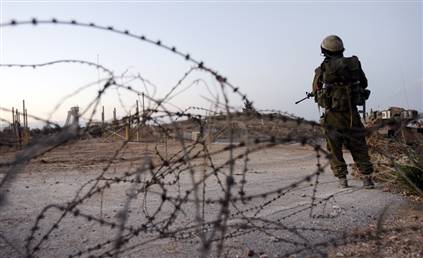
Pause you who read this

Image taken in Siena, Italy, courtesy of topleftpixel.com
That was a memorable day to me, for it made great changes in me. But, it is the same with any life. Imagine one selected day struck out of it, and think how different its course would have been. Pause you who read this, and think for a moment of the long chain of iron or gold, of thorns or flowers, that would never have bound you, but for the formation of the first link on one memorable day. - Charles Dickens, in Great Expectations
I went to the National Hospital today. Elbe called me just before 10 (fortunately not earlier, because I went to bed late) and so supervised brats emptying two huge piles of dirt onto the hostel gardens for more than 2 hours. Lunch was good, but marred by another brat kicking his toe into a volcano of bloood. So I drove him to hospital and spent most of the afternoon there waiting for the piece of skin to snipped off and the volcano banadaged.
I've also written a letter to the Head of the English Department, as I've not been given much help, outside of class, from my lecturer, Prof Raftery, regarding everything from the timetable (which differs from the official timetable) to study notes to other things I've required her assistance with. I've found her dismissive approach improper, so feel I want to make sure it is addressed. It annoys me a lot to have to make the effort to attend class, get study materials, and find no one is there, and nothing has been made available.
That said, I am actually enjoying Pride and Prejudice and Great Expectations a great deal. These books are classics because they incisively reflect the human condition, and they speak to me about mine.
Here's more Dickens:
On consumerism/capitalism:
We spent as much money as we could, and got as little for it as people could make up their minds to give us. We were always more or less miserable, and most of our acquaintance were in the same condition. There was a gay fiction among us that we were constantly enjoying ourselves, and a skeleton truth that we never did. To the best of my belief, our case was in the last aspect a rather common one.
On suffering:
" . . .suffering has been stronger than all other teaching, and has taught me to understand what your heart used to be. I have been bent and broken, but - I hope - into a better shape."
On being someone of substance (rather than appearing to be):
. . . it is a principle of his that no man who was not a true gentleman at heart, ever was, since the world began, a true gentleman in manner. He says, no varnish can hide the grain of the wood; and that the more varnish you put on, the more the grain will express itself.
On being dishonest to ourselves:
All other swindlers upon earth are nothing to the self-swindlers, and with such pretences did I cheat myself. Surely a curious thing. That I should innocently take a bad half-crown of somebody else's manufacture, is reasonable enough; but that I should knowingly reckon the spurious coin of my own make, as good money!
In a word, I was too cowardly to do what I knew to be right, as I had been too cowardly to avoid doing what I knew to be wrong.
On humility and changing our hearts:
Heaven knows we need never be ashamed of our tears, for they are rain upon the blinding dust of earth, overlying our hard hearts.
I do not know the American gentleman, god forgive me for putting two such words together.
Minds, like bodies, will often fall into a pimpled, ill-conditioned state from mere excess of comfort.
No one is useless in this world who lightens the burdens of another.
On Memories:
If any one faculty of our nature may be called more wonderful than the rest, I do think it is memory. There seems something more speakingly incomprehensible in the powers, the failures, the inequalities of memory, than in any other of our intelligences. The memory is sometimes so retentive, so serviceable, so obedient; at others, so bewildered and so weak; and at others again, so tyrannic, so beyond control! We are, to be sure, a miracle every way; but our powers of recollecting and of forgetting do seem peculiarly past finding out.
Jane Austen, Mansfield Park
On Friendship:
We have all a better guide in ourselves, if we would attend to it, than any other person can be. Jane Austen, Mansfield Park
Moving Forward

I expected today to be a bloody one. With about 5 hours sleep (just could not reach system shutdown last night, so many thoughts pouring through my head), I didn't expect patience to be one of my virtues today. When has it ever been? Actually, in some areas I think I am supremely patient. If you think of swimming: it's a sport that requires consistent concentration and resistance to the cold, fatigue, and mental boredom. It may be a mental alloy, a fusion of patience and endurance.
Although I've been tempted once again to quit my job at Brebner (in lieu of being given another two month contract tomorrow), I'm not sure I have the luxury to do that. To just up and go. Certainly not if it's my intention to buy a car. And definitely not if I have to pay it beyond my termination date.
Today we did filing in all classes. I expected it to be a nuclear disaster, since Mrs Martins always seems to swoop down and find a fault and then explode, but somehow 99% of the files were in order, with virtually zero files missing or problems. There were some students who reacted to the filing imperative (from Mrs Martens) by immediately blaming me that their files were lost, only to find them after a few minutes. The silence Mrs Martens was able to achieve in 3 of 5 classes was impressive, but achieved only after some equally impressive explosive bellows (that even had me cowering in a corner). 2 classes even she found unteachable, and abandoned them to me (adding: "Good luck. I don't know how you do it.")
In effect, she took over most of my 'maintenance of order' duties today, which I really needed. Another day like yesterday and I can't see how I would not have slid back into being sick (sopre throat and cough). Today I got a chance to rest my voice, and think up a few strategies.
In the last half hour though, I lost it with the grade 11's, throwing one school bag out a window, and frogmarching another out the door. What happens is when you catch them, they spend 5 minutes debating and vehemently arguing how innocent they are, which makes the chaos even worse. So I've made it clear - the pace at which people are going to be sent out, and arguments are going to be dismissed, is going to increase by a huge factor.
I must have done a Martinesque job, because the kids were fairly quiet at the end of the 3rd or 4th tirade, and I managed to excite myself to a state of angry quivering. The words of another teacher come back to me now (we spoke earlier in the morning, and she runs): "Don't let them steal your soul."
It seems like the ultimate (and logical) result of time in the classroom, is the teacher becoming angry. What else can happen if you have students continuously provoking each other, and the teacher's job - to communicate in order to create an environment of learning - is constantly being threatened by disorder, and hysterical and circuslike noise.
I managed to sleep for an hour after lunch, then studied Great Expectations. I've just written the test, from 6pm to 7pm, and I think I may have gotten a distinction for it. You know, I don't remember ever reading Great Expectations. Even now when I go through scraps of text I don't recognise it. But I do have small red marks in the book, and I remember, when I saw the movie, going: "That's not what happened."
Prof Raftery is a by-the-book lecturer that manages to really piss me off. If you ask her anything, she manages to be abrupt and curt and annoying, simply because her bookish and straightlined thoughts are supposed to be never interrupted. I think she's one of those academics that is wholly academic. Everything about her is, and so is her lifestyle. She's very overweight, and a feminist, and inflexible - and together this describes I think a very theoretical approach to everything, which she has engineered to be fairly conceited. Meaning, if it doesn't suit her, she'll dismiss it. Not very mature.
Notice how attacking I am? I get that from teaching. My emotional patience becomes threadbare, but not, I hope, my sense of social justice. (see email below).
I'm also - but bear in mind I'm quite sleep deprived as I write this - determined to exact an appropriate justice on some people I know. I've already found information (eg www.b-e-g.co.za) which points to some large scale corporate fraud going on.
For starters do a google search on: fraud south africa ivan penny ref and you get this;
THE FINAL REPORT OF T
OMMISSION OF INQUIRY
THE AFFAIRS OF
THE MASTERBOND GRO
AND INVESTOR PROTECT
IN SOUTH AFRICA
Re: page 25 (0f 283)
Business Day : 7 September 1999 : (Refcorp staggers under cash
problems)
"Controversial venture capital company REF Finance and Investment
Corporation (Refcorp) is staggering under major cash flow problems that
could lead to its liquidation.
Former employees who did not wish to be named have said they have not
been paid for more than two months and that this was just the tip of the
iceberg. The company is apparently also about R4m behind on
pay-as-you earn(PAYE) tax remittances to the Receiver of
Revenue.
Five directors have left the company over the past couple of months for a
variety of reasons which included the nonpayment of salaries.
One employee said the problem with Refcorp was not so much the listed
entity but the underlying, non-listed companies that were draining the
parent’s accounts, balance sheet.
The Johannesburg Stock Exchange (JSE) is believed to be investigating
Refcorp and has already interrogated some former directors.
Refcorp was warned by the JSE last week for failing to submit annual financial
statements within six months of the financial year-end. Refcorp deputy
chairman Ivan Penny pleads that the group’s financial director had to go on
maternity leave three weeks sooner than expected and that results would be
released soon.
http://icms.iac.iafrica.com/pls/cms/iac.page?p_t1=1539&p_t2=0&p_t3=0&p_t4=0&p_dynamic
=YP&p_content_id=387980&p_site_id=83
David Romero, who headed Refcorp, a key investor in the laughably named Noble Minerals, is probably one of the worst managers of expectations. Minority shareholders lost their money within days of Noble's listing as the price sank to 1c from a R2/share maiden listing.
and: http://www.dispatch.co.za/2005/03/12/Easterncape/crook.html
Financial adviser says he is not a crook
By Eddie Botha Business Editor
EAST LONDON - Hannes Brink, the financial adviser who is blamed by more than 50 investors for their R10 million losses, says he is not a crook.
Instead Nimrod Financial & Tax Consultants CC's Brink has fingered as the culprits his former partner, David Romero, head of finance company REF Equity Finance, into which the funds were invested, and Ivan Penny, an REF director.
Earlier this week the Daily Dispatch reported that the National Prosecuting Authority in Pretoria had confirmed that an investigation into the financial scheme was almost complete.
Many investors, among them pensioners, have lost their life savings in the scheme, and subsequent to this week's report many more called the newspaper to say that they too had lost large amounts of money.
The Daily Dispatch first reported about the failed scheme in 2001 when Amalinda pensioners Carl and Rosemary Hill, who invested and lost R100000 - their life savings - approached the paper.
Yesterday Brink, who now lives in Nelspruit with his common-law wife and business partner Linden Kelly, denied any responsibility.
When contacted in Pretoria he first said that the target of the investigation was REF Equity Finance, the unlisted company in which he invested the funds.
Later, in a second telephone call to him, Brink said that he was not aware of a current police investigation into the failed investments.
He said, though, he had given investigators copies of all the documents - "but that was three years ago. I have not heard any word from them since then".
Brink said he had merely acted as an agent for the investment company.
"They (the investors) bought the shares (in REF) through me."
Brink said he would be willing to give evidence if required to do so, adding: "I have also lost between R600000 and R700000 with REF.
"The problem lies with the people who handled the portfolio, Romero and Penny," he said.
"I have done nothing wrong."
Brink added that he did not understand what the sudden fuss was about - over events that took place six years ago.
He said he had sold the Ntoni Game reserve, which he had owned in the Cradock district, to King William's Town businessman Eddie Goetsch, the owner of the Buildrite hardware group.
REF also bought a 50 percent stake in Ntoni.
At one stage when Romero wrote to Eddie Leach - a retired contractor who lost over R210000 in Brink's scheme- to explain the delays in dividend payouts, he used stationery with the stamps of Nimrod and Ntoni.
REF was suspended from the JSE Securities Exchange in 2003 for failing to produce financial statements.
According to a Business Day report in the final quarter of last year shareholders had been trying to contact the company since its suspension - but telephone calls and e-mails went answered.
The report also said that United States-based businessman Albert de Lint had written to Trade and Industry Minister Alec Erwin asking him to warn South African investors to steer clear of Romero, saying: "We must conclude that investors will soon face the reality that there won't be funds to pay them back."
http://www.suntimes.co.za/2000/09/10/business/companies/
comp17.htm
Furthermore, Gullan and Gullan allege that Noble's previous corporate adviser, REF Finance and Investment Corporation as represented by David Romero and Ivan Penny, was "unable to pay over approximately R6.25-million of shareholders' funds which they collected on behalf of the company".
The report says Romero and Penny, a director of Noble until February, signed an acknowledgement of debt to Noble in their personal capacities and as directors of Refcorp and other related companies.
The theme is about deceit, and I don't believe it's fair that innocence is punished, and deceit should go unrewarded. I don't intend to prosecute this case myself, but once I have all the evidence that seems necessary, I suppose the South African Revenue Service and maybe Corporate Fraud offices somewhere can take over.
What makes me think prosecuting this case is necessary? I think we ought to live as fully as we can. I also think those who prevent us from doing so, ought to feel the full brunt of life - it's big waves, its bad weather, its bitter winters. Wealth ought not to buy justice. Innocence or goodness ought to guarantee it. I know enough about the law to know that if you ardently pursue it, and if you know it as well as it can be known, the law can only stand with you against those who oppose you.
Meanwhile, it's 8:14 pm and I now have to cycle through the cold and dark to a warm room, and the bubbleblue light of the TV. The picture above represents to me a sort of Paradise Lost, but then, I suppose it depends on where you are. Sometimes though, it depends on who you are, and who you choose to be.
Latest News
The latest casualties brought the number of people killed in Lebanon to at least 643, while the Israeli death toll was 100.
The clashes followed one of the bloodiest days of the four-week conflict. At least three Israeli soldiers and 49 Lebanese died Monday — including 15 in a rocket attack in a Beirut suburb just hours after Arab League foreign ministers wrapped up a crisis meeting that threw their full diplomatic weight behind Lebanon.
It set the baseline demand for the Security Council: a full Israeli withdrawal or no peace deal is possible. The message was given in an emotional address by Lebanese Prime Minister Fuad Saniora and carried to the U.N. by Arab League envoys.
Saniora's government voted unanimously to send 15,000 troops to stand between Israel and Hezbollah should a cease-fire take hold and Israeli forces withdraw.
The move was an attempt to show that Lebanon has the will and ability to assert control over its south, where Hezbollah rules with near autonomy bolstered by channels of aid and weapons from Iran and Syria. Lebanon has avoided any attempt to implement a two-year-old U.N. resolution calling for the disarmament of Hezbollah, fearing it could touch off civil unrest.
The coming days should offer signs on whether a cease-fire plan has a chance.
Email to Jim Kunstler
I wrote this in response to the anti-Jewish (hatemail) Jim posted on his blog, www.kunstler.com yesterday.
Hi Jim
Those anti-Jewish comments are nasty.
I missed your latest blog update so I am guessing you found them quite hurtful. I would have been hurt by them.
I did find myself (before this) wondering if you were Jewish based on your comments on Israel which seemed to me, less objective and spot on than your other-worldly comments. I don't necessarily support Israel or not support them. I think it's a really tough situation to invent a country in an area surrounded by (its) enemies on all sides, and expect things to go smoothly. Hezbollah's acts are nasty. Israel has a right to defend itself (everyone does), but I think when you wipe out 10 times the number of your own casualties, and you call Hezebollah targets bridges and roads and everything else, you're showing the same blatant disregard (disrespect) for life (and your adversaries God) that your 'enemy' is guilty of. It's a lose lose situation. Yes, I can't offer a better solution, other than the idealised: just learn to get along. I'm not sure if we humans of capable of accepting each other with our differences intact.
But your support for Israel seemed a bit more qualified (meaning overqualified - not in the sense of being restricted - in my opinion) than I thought was justified, and perhaps I haven't understood your reasons as well I need to. But that led me to think you had your sympathies in this area (and many people do). A lot of Christians (in the west, including my girlfriend) support Israel as being a sort of de facto 'God's country/God's people', which for me is absurd. What a country does, not what it stands for (or says it stands for), ought to be the measure we use to judge it.
I suppose that's an idealisation for how we ought to treat each other to, and it almost never happens. What does happen, the opposite. We believe what people (leaders) and countries say, not necessarily what they are.
I personally don't support overwhelming force, whether from the USA or Israel or anywhere else. I have been guilty of using overwhelming force in my classroom today. When the little terrorists (am I in trouble now for using that term) had worn my patience down sufficiently, I tossed a schoolbag out the window and handily shoved one student out the classroom. I feel bad about it, but I felt I was forced to do that to maintain order.
I think we human beings are capable of being incredibly intolerant when we choose to. And I think bias is part of the human equation too.
We have to accept our own, and think about accepting bias in others. Extreme bias though should be excluded from this equation, but who decides what the boundary is between extremism and normalism? It's probably not who that decides as much as when, and the context.
Nick
Monday, August 07, 2006
-1.0.jpg)
Subscribe to:
Posts (Atom)